After cataract surgery, it’s natural to wonder whether your cataracts could return. The good news is that, once a cataract has been removed, it cannot grow back. Cataract surgery is a permanent solution, giving you a fresh start with your vision. Your clouded lens is gone for good.
If you’re curious to learn more, our team Great Hills Eye Care is happy to help you understand what cataracts are and how they develop.
Your Original Cataract Is Gone for Good
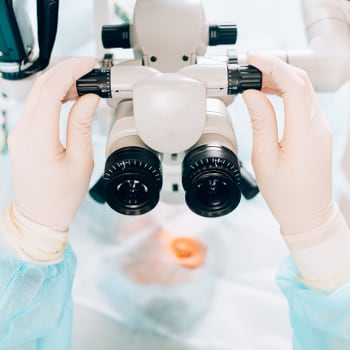
During cataract surgery, your surgeon removes the natural lens of your eye and replaces it with a clear, artificial lens. This new lens is called an intraocular lens, or IOL.
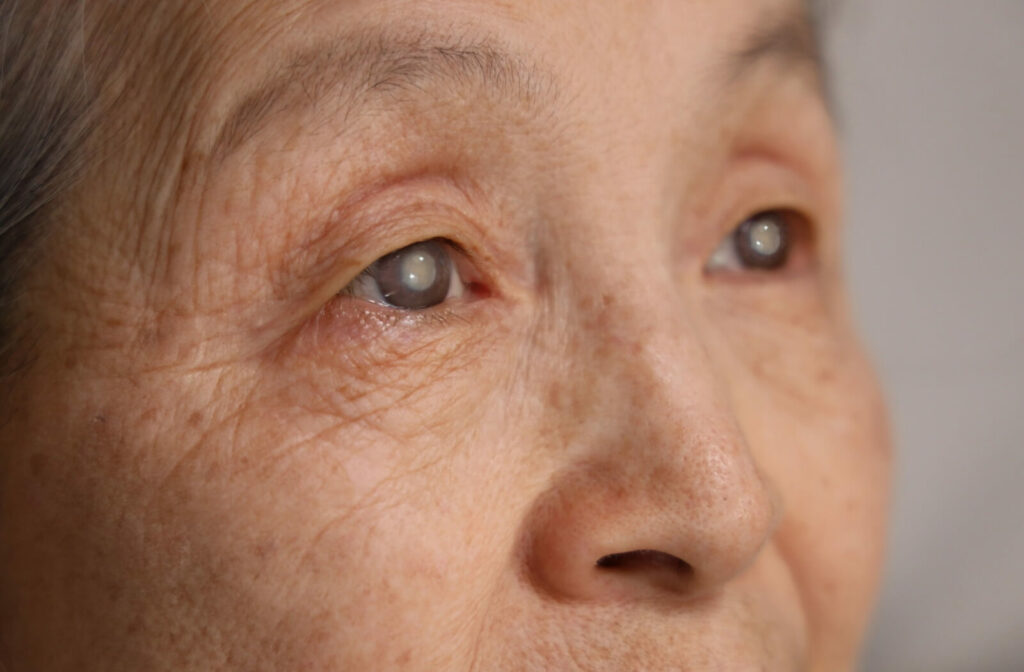
You may remember how colors seemed faded or your vision was blurry before the procedure. This happens because proteins in your natural lens start to clump together as you age, creating cloudy sports that we call cataracts. By removing and replacing the cloudy lens, clear vision can be restored.
Because your natural lens is removed as part of the procedure, your cataract cannot return. IOLs are designed to stay clear for the rest of your life.
What Causes Blurry Vision After Surgery?
In some cases, a person’s vision may become cloudy again over time. This can occur months or even years after a successful procedure. However, this isn’t a new cataract. It’s actually a common and treatable condition often called a “secondary cataract” or posterior capsule opacification (PCO).
Your new artificial lens sits inside a very thin, clear membrane—like a tiny pouch—that was part of your original lens. Over time, this little pouch can also become cloudy. This cloudiness blocks light, causing blurry vision that can feel a lot like the original cataract.
This membrane, called the posterior capsule, is left in place on purpose—it acts as a natural shelf to hold your new IOL securely. In some cases, however, cell growth on the surface of the posterior capsule can result in cataract-like cloudiness.
Signs You Might Have a Secondary Cataract
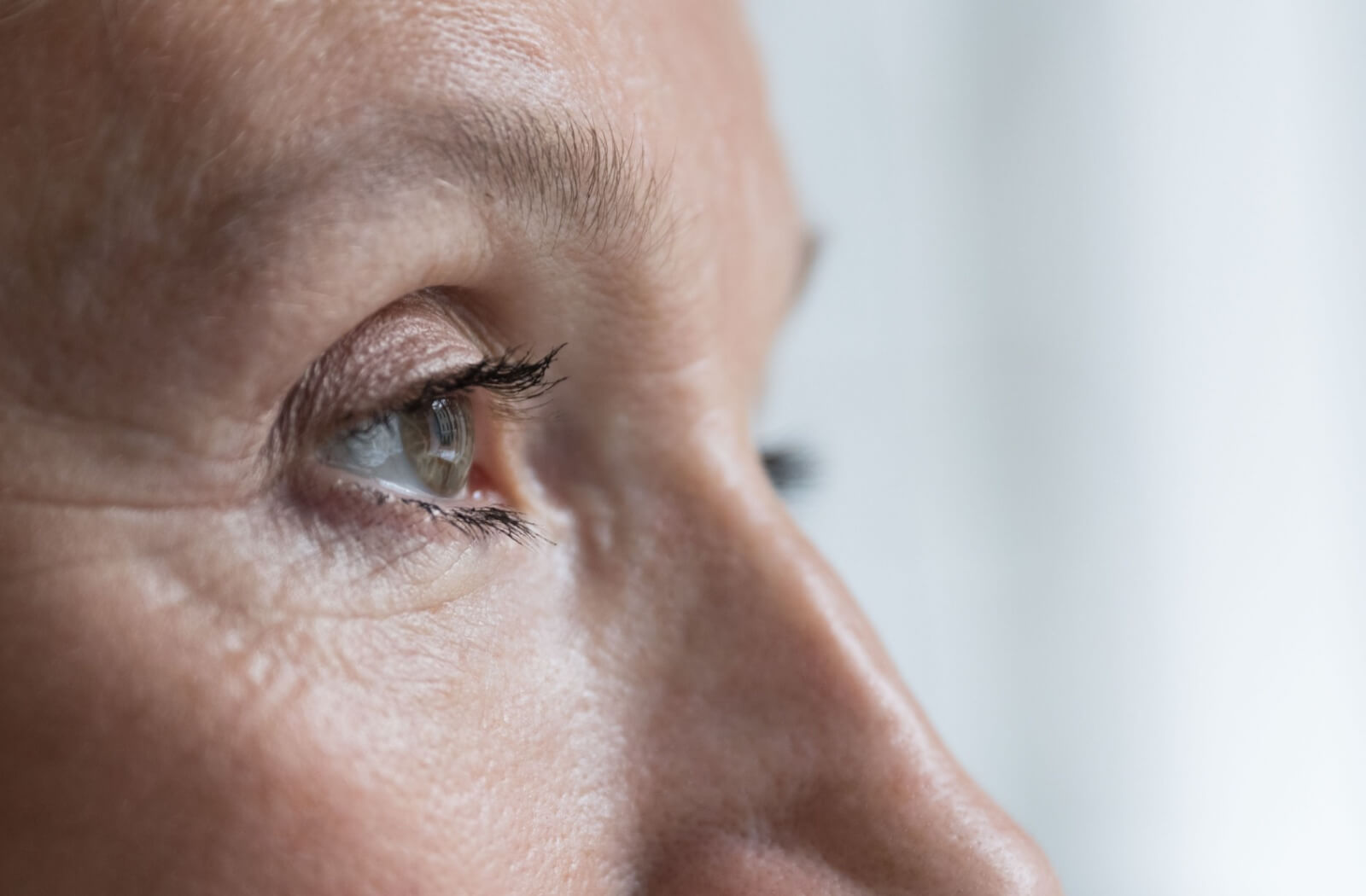
The symptoms of PCO are similar to those of a cataract. You might experience:
- Vision that slowly gets more blurry or hazy
- More glare from lights, like sunshine or car headlights at night
- A feeling that your vision just isn’t as sharp as it was
- The sense that you’re looking at the world through a smudged window
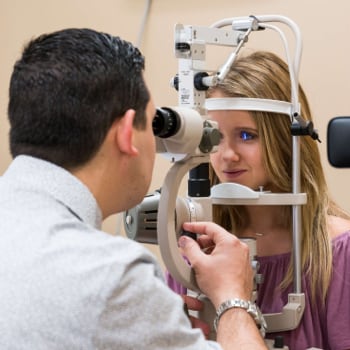
These symptoms are a good reason to schedule a visit for a comprehensive eye exam.
How a Secondary Cataract Is Treated
If you do develop a secondary cataract, restoring your clear vision is often a straightforward process. A quick laser procedure can clear up the fogginess and help you see clearly again without a long recovery.
The first step is a thorough eye exam to confirm that PCO is the cause of your blurry vision. If your issues are caused by PCO, your eye care team will discuss treatment.
A Quick & Simple Laser Procedure
The treatment for PCO is a painless procedure that can be done right in the office. It only takes a few minutes to complete.
- Your eye doctor uses a laser to make a tiny, clear opening in the hazy membrane behind your new lens.
- This new opening creates a clean path for light to travel through to the back of your eye.
- Your vision usually improves very quickly, sometimes even by the next day.
Your Eye Health & Next Steps
While cataracts cannot return, it’s still important to keep up with your regular eye appointments. As your eye doctor in North Austin, we’re here to monitor the health of your vision and identify any potential problems early.
Regular exams are a great time to discuss any changes you’ve noticed, no matter how small. Proactive care helps you maintain the clear sight you gained from your procedure.
If you’re in the North Austin, Georgetown, Pflugerville or Liberty Hill area and notice changes in your vision, a check-up is a good next step. Our team at Great Hills Eye Care makes getting care simple with our convenient location and flexible appointment times. Schedule your visit today.