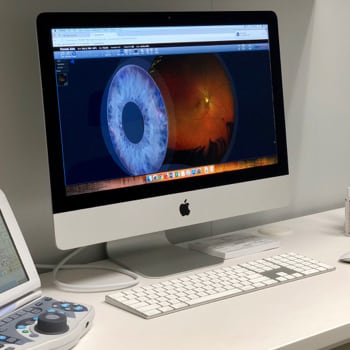
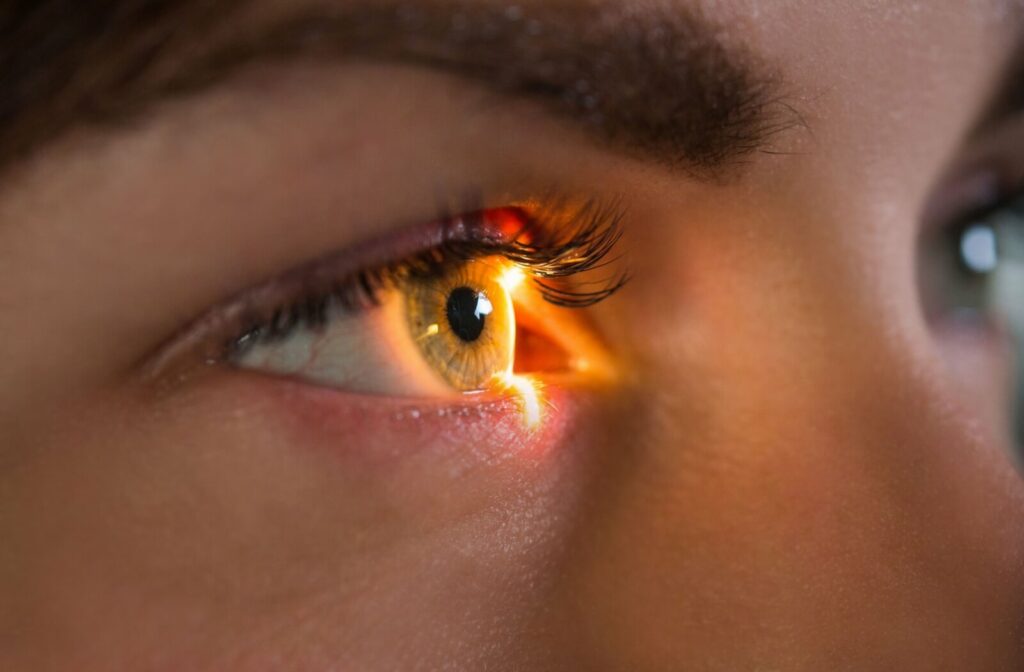
An eye exam is about so much more than just checking your vision for a new prescription. Diagnostic technology provides a detailed view of what’s happening inside your eye, and retinal imaging is one of the most essential tools we use. Think of it as a high-resolution snapshot of the very back of your eye, showing us your retina, optic nerve, and blood vessels with incredible clarity.
This simple photograph helps us see the complete picture of your eye health. Retinal imaging can detect early signs of serious eye conditions and even give us clues about your overall wellness, often before you experience any symptoms. It allows us to provide you with truly personalized attention for your unique needs.
A Quick Look at the Retina and the Photo Process
Your retina is the light-sensitive layer of tissue at the very back of your eyeball. It acts like the film in a camera, capturing the light that enters your eye and sending those images to your brain. For you to see clearly, your retina needs to be healthy.
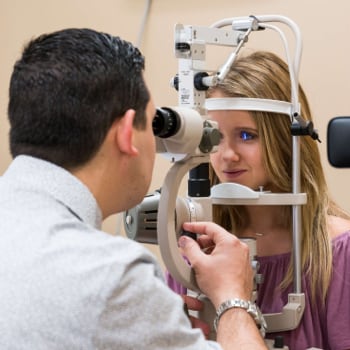
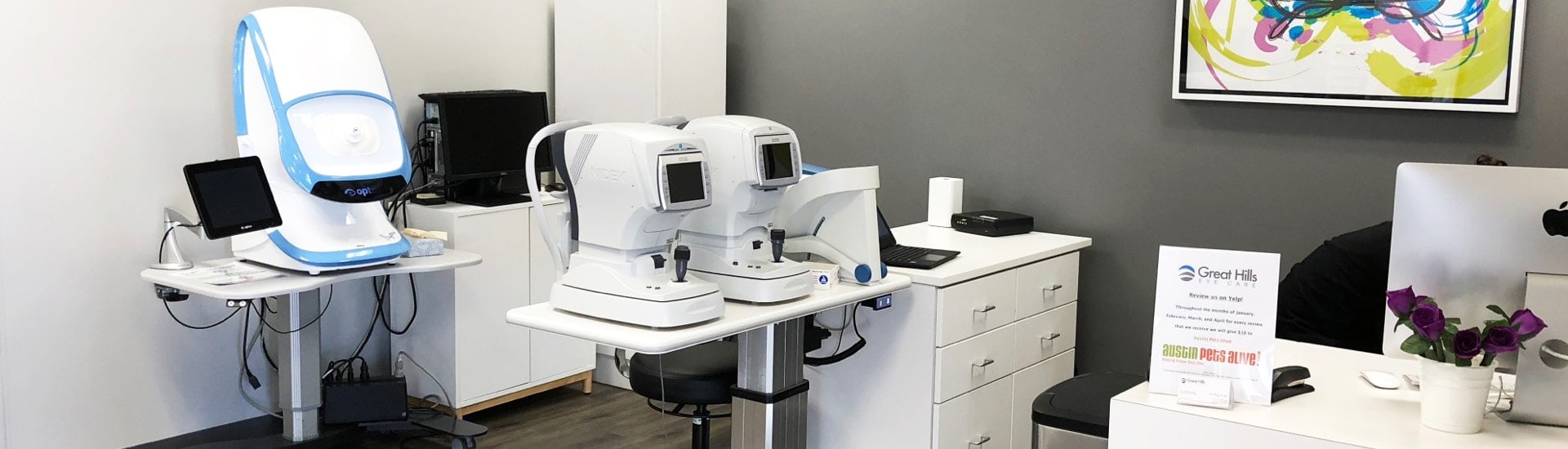
The process to photograph it is simple, quick, and comfortable. You’ll look into a instrument, focus on a small light for a moment, and in a flash, we have a digital image. This picture gives us a wide view of your eye’s inner workings, and thanks to advances in technology, we can often get this view without the need for dilating eye drops.
Eye Conditions a Retinal Photo Can Reveal
A detailed retinal photo helps us spot the earliest signs of many eye conditions. Diagnosing these issues early is key to protecting your long-term vision, as it allows us to begin a conversation about care and monitoring as soon as possible.
Conditions we look for include:
Diabetic Retinopathy
Diabetes can affect the tiny blood vessels in the retina, causing diabetic retinopathy. With a retinal image, we can see early signs of damage like leaking or swelling, helping us protect your sight from diabetes-related damage.
Glaucoma
Glaucoma often affects your peripheral vision first, so you might not notice changes until it has progressed. It’s linked to damage to the optic nerve, which carries signals from your eye to your brain and allows you to see. Retinal imaging provides a clear view, allowing us to monitor your optic nerve health over time.
Macular Degeneration
Macular degeneration is a common condition that affects your central vision. This vision is used for reading, driving, and even simply recognizing faces. A retinal photo allows us to see the macula, which is the center of your retina, so we can look for any changes that might point to macular degeneration.
Your Eyes and Your Overall Health
Your eyes offer a special window into your overall health. They’re the only place on your body where we can directly see blood vessels in their natural state without a single incision. What we see here can give us clues about what’s happening elsewhere in your body.
Signs of High Blood Pressure
Changes in the retina’s blood vessels, such as narrowing, kinks, or bends, can be related to high blood pressure. If we notice these signs during an eye exam, they could indicate a potential health concern. We’ll let you know what we see, so you can take proactive steps to support your total well-being.
Clues About Diabetes
Sometimes, the first signs of diabetes appear in the eyes. A retinal photo can reveal tiny changes in the blood vessels that might suggest you could benefit from further medical evaluation. It’s a powerful tool for proactive health awareness.

Common Signs of a Retinal Problem
While retinal imaging is an important tool for diagnosing problems you can’t see or feel, you should also be aware of the symptoms you can notice. If you experience any of the following, it’s a good time to schedule an eye exam:
- A sudden increase in floaters or new spots in your vision.
- Flashes of light in your side vision.
- A dark curtain or shadow that seems to block part of your view.
- Vision that suddenly becomes blurry, wavy, or distorted.
Pay attention to sudden changes in your vision. While it may be harmless, it’s always better to be sure.
Why a Retinal Photo Is a Good Idea for You
Many eye conditions develop slowly and silently without any warning signs in their early stages. Retinal imaging helps us find them much sooner than you may on your own. This is incredibly helpful in managing your eye health for years to come.
A photo of your healthy retina becomes a permanent part of your record, like an optical fingerprint. At every future visit, we can compare new images with your original ones. This comparison helps us detect even the smallest, most subtle changes over time.
At Great Hills Eye Care, we’re focused on providing you with thorough and informative eye care in a friendly environment. Call us today to schedule your comprehensive eye exam. We look forward to seeing you and your family.