People often ask us how much time they should set aside for an eye appointment. It’s a great question, as we all have busy schedules to manage. You want to know what to expect when you walk through our doors, and we’re happy to provide the comprehensive, personalized eye care you deserve.
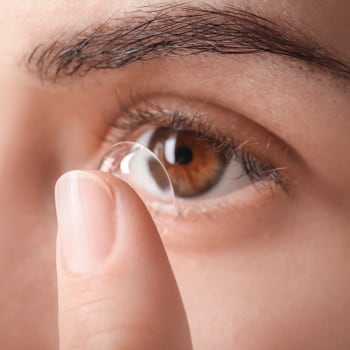
At Great Hills Eye Care, eye exams are scheduled in 20-minute time slots. Most comprehensive exams take about 20–30 minutes, depending on the complexity of the exam or whether a contact lens evaluation is also needed. Appointments that include a contact lens evaluation may require slightly more time to ensure proper fit, comfort, and eye health. This dedicated time allows us to provide personalized attention and perform a thorough check of your vision and overall eye health. It’s much more than just a simple vision screening. Let’s look at what’s included in a comprehensive eye exam so you can see why this time is well spent.
What to Expect at Your Eye Exam
Each eye exam includes a quick vision screening, but that’s just the start. It’s a key part of your health care that can reveal important information about your overall wellness. From the moment you arrive, we focus on you. The exam is a comfortable and straightforward process.
A Quick Chat About Your Eyes and Health
We’ll start with a friendly conversation about your vision and health history. We’ll ask about any concerns you have or changes you’ve noticed. This chat helps us tailor the exam to your specific needs.
The Pre-Exam Tests
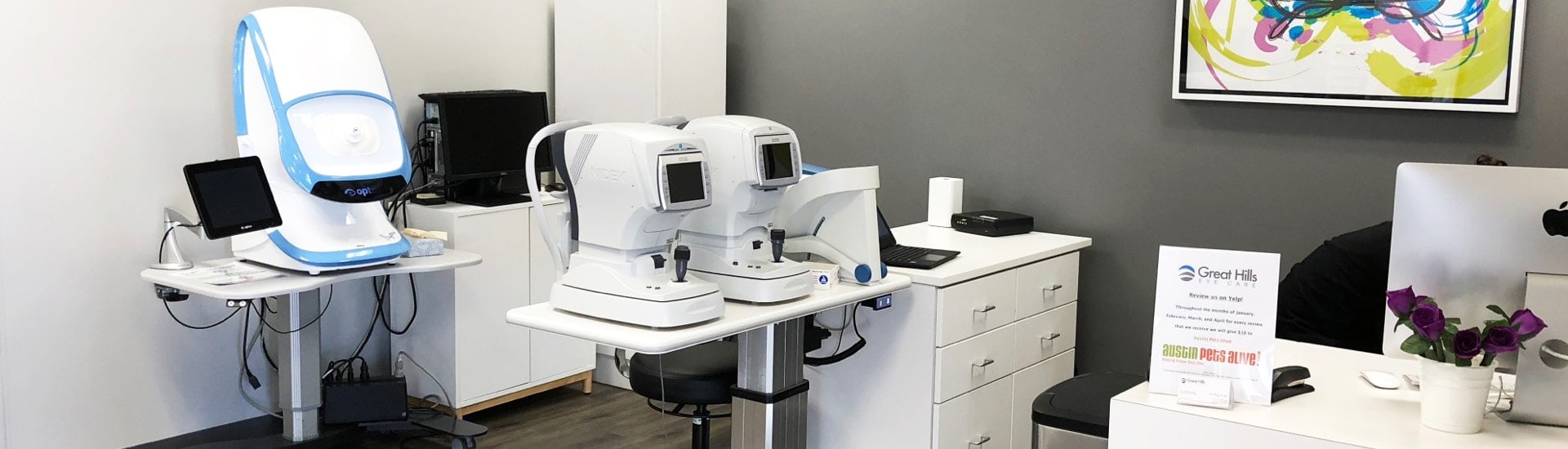
Before you see the eye doctor, a team member will guide you through a few initial tests. These often include an eye pressure check, which helps screen for glaucoma, and a scan that gives us a starting point for your prescription. These steps are quick and help us gather highly accurate measurements. We use advanced diagnostic technology to streamline the exam process, allowing us to collect detailed information efficiently while keeping your visit comfortable.
The Exam with the Eye Doctor
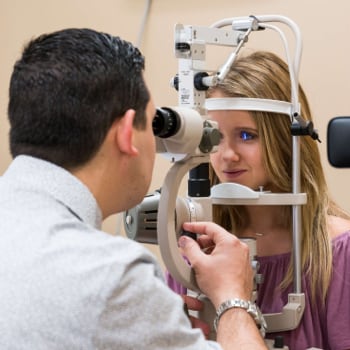
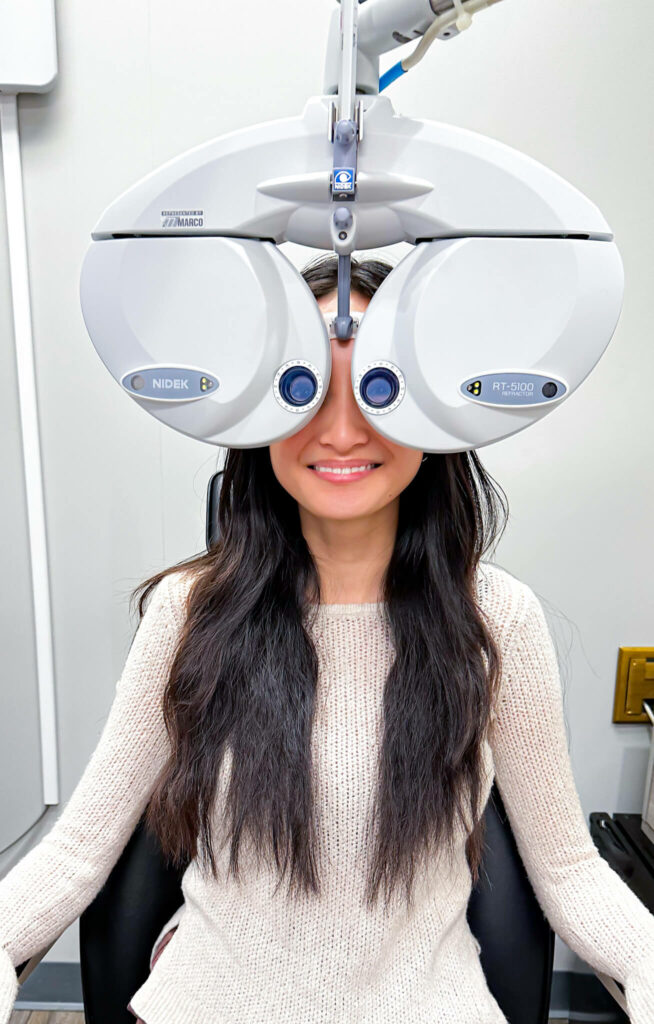
When you meet with the optometrist, we’ll perform several tests to check how well your eyes focus and work together. We will also look closely at your overall eye health, from the front surface to the back, using advanced imaging technology to support precise evaluations and reduce unnecessary delays. This part of the exam helps us get a complete picture of your vision and detect any potential issues early, such as glaucoma, the silent thief of sight.
Why a Comprehensive Eye Exam Takes Time
During an eye exam, we look at your eye health’s complete picture, which goes beyond just updating your glasses or contact lens prescription. It’s a time dedicated to focus on you and your preventative eye care. This thorough approach is an important part of maintaining your health.
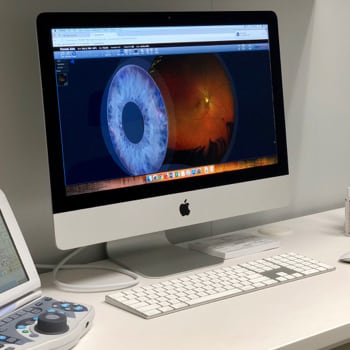
As part of every annual comprehensive eye exam, we recommend Optomap® Retinal Imaging. This advanced technology allows us to capture a detailed view of your retinal health quickly and comfortably, often without the need for dilation. A small additional fee applies, but many patients appreciate the added level of insight and efficiency it provides.
More Than Just a Vision Screening
A vision screening just checks how well you see. While this is undoubtedly important, a comprehensive exam considers all aspects of your eye health. We look for early signs of eye conditions that you might not notice on your own, as many serious eye diseases have no early symptoms.
We check for conditions like:
- Glaucoma
- Cataracts
- Macular degeneration
- Signs of dry eye
These conditions are more common than many people realize, affecting millions of Americans and representing some of the leading causes of vision loss.
Time for Your Questions
We know that caring for your health can feel like a lot. That’s why we save time at the end of each exam to talk about our findings and answer all your questions. Whether you need new glasses or want to discuss our dry eye therapies, we’re here to help. We want you to leave feeling informed and confident about your eye health.
Eye Exams for Different Ages
The length of an eye exam can vary based on age and individual needs. We offer exams for the whole family, starting at age 6.
Exams for School-Age Kids and Teens
For children ages 6 and up, we focus on making the experience friendly and engaging, as it may be their first time visiting the optometrist. We check for vision problems that could affect their learning and development. These exams are often a little quicker than adult exams, but are just as important.
Adult and Senior Eye Care
As you get older, your vision changes and requires more care. Our adult and senior exams are comprehensive. We take the time to look for age-related eye conditions to support your long-term eye health.

What Happens After the Exam?
Once your exam is complete, we’ll walk you through the next steps. Whether it’s getting new glasses or scheduling your next appointment, we make sure you have a clear plan for your eye care. We want you to feel supported every step of the way.
Here are some of the common concerns people have after their exams:
Can I Drive Home Afterward?
Most people can drive after a routine exam. If we need to dilate your eyes to get a better look at the back of your eye, your vision may be blurry and sensitive to light for a few hours. A dilated eye exam is a crucial tool for detecting many eye diseases, so we recommend bringing a driver if it’s part of your exam.
What Are the Next Steps I Should Take?
We’ll let you know when to schedule your next appointment. Regular check-ups are a great way to maintain healthy eyes and clear vision. How often you should get an eye exam depends on your age and risk factors, but we recommend comprehensive eye exams every year for patients of all ages to help protect long-term vision and catch potential issues early. We can create a schedule that’s right for you.
Common Questions About Your Vision
Here are a few things we often discuss with people who visit us. We’re always ready to listen to your concerns, so don’t be afraid to ask us any questions you have.
Can Stress Affect My Vision?
Yes, stress can sometimes lead to symptoms like eye strain, light sensitivity, or blurry vision. During your exam, we can talk about any symptoms you’re feeling. If stress has been an issue for you lately, it’s helpful information to share with us.
What About Dry or Tired Eyes?
If your eyes feel gritty, scratchy, or tired, you might have dry eye syndrome. Let us know about any irritation during your visit. Many effective dry eye therapies are available, and we can discuss different options to help you feel more comfortable.
We’re Ready to Help You See Clearer Today
Taking care of your eyes is a simple step toward overall wellness. At Great Hills Eye Care, we’re here to provide personalized attention for your entire family. With our 3 convenient locations, getting the eye care you need is easy. We can even offer same-day or next-day appointments.
Call us today to schedule your visit.