Key Takeaways
- Blepharitis causes red and irritated eyelids.
- Skin issues like dandruff or rosacea can lead to eye flare-ups.
- A daily warm washcloth routine helps manage crusty eyelashes.
- Your eye doctor can provide specific therapies to help you find relief.
What Is Blepharitis & Common Symptoms
You wake up in the morning and feel an uncomfortable grit in your eyes. This frustrating feeling can throw off your entire day before you even eat breakfast.
Blepharitis happens when oil glands near your eyelashes become blocked or when too much natural bacteria grows on your skin. A quick visit with our team at Great Hills Eye Care can help you find the right routine to help clear up your vision.
A Brief Overview of the Condition
Blepharitis brings swelling and visible redness directly to your eyelids. It usually affects both eyes at the same time. This condition isn’t contagious, and you can easily manage it with the right daily care.
Key Signs of Blepharitis
You might notice several uncomfortable changes in your eyes. Look out for the following symptoms:
- Red or itchy eyelids
- Crusty eyelashes when you wake up
- A feeling like sand or dirt is trapped in your eyes
Main Causes & Triggers for Eyelid Irritation
Bacteria & Clogged Oil Glands
Your skin naturally hosts different types of bacteria. Sometimes, too much of this bacteria accumulates on your eyelids. This buildup blocks the tiny oil pores near your eyelashes, leading to irritated glands and swollen eyelids.
What Triggers Blepharitis Flare-Ups
Certain everyday items can create sudden eyelid irritation. For instance, you might experience a reaction to specific eye makeup products like old mascara. Allergies to certain contact lens solutions can also spark a sudden flare-up. Changes in your natural skin oil production likewise play a big role in these uncomfortable episodes.
Conditions Connected to Blepharitis
Skin & Scalp Issues
Your eye comfort is often linked to your overall skin health. Flaky dandruff from your scalp or eyebrows can fall into your eyes and create irritation. Rosacea brings visible redness to your face and frequently affects your eyelids too. People with naturally oily skin types often face a higher chance of developing these eyelid problems.
Other Related Health Factors
Tiny eyelash mites live on human skin naturally, but an excess amount can bother your eyelids. You might also struggle with dry eyes that need targeted dry eye therapy.
What to Avoid with Blepharitis
Products to Put on Pause
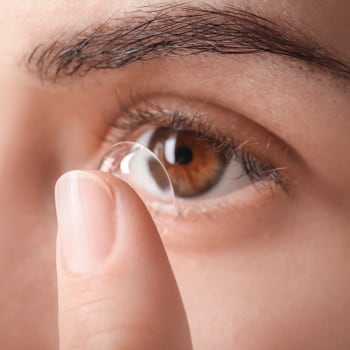
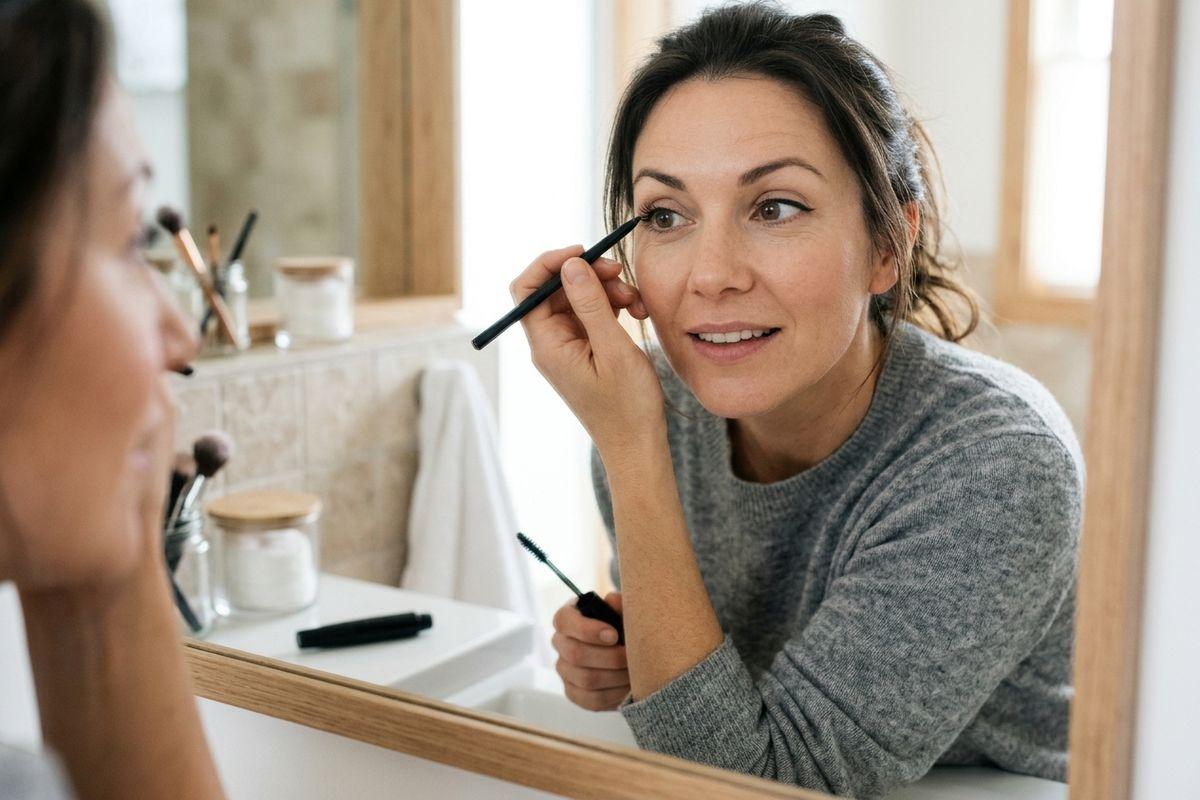
Taking a break from certain products helps your eyelids heal faster. You should temporarily stop wearing eye makeup like mascara or eyeliner. Keep harsh facial cleansers away from the delicate skin near your eyes. Throw away old or dirty contact lenses to stop new bacteria from entering your eye area.
Habits to Break
Rubbing your itchy or irritated eyes spreads bacteria and makes the swelling worse. You should never skip your daily eyelid wash routine, even on days that your eyes feel fine.
Don’t ignore painful symptoms. A prompt visit to your optometrist helps keep a small problem from growing into a bigger one.
Therapies & Daily Care for Your Eyes
Simple At-Home Relief
A simple warm washcloth applied to your closed eyes helps melt away stubborn eyelid crusts. You can also clean your eyelids gently with diluted baby shampoo to remove trapped oil.
Adding omega-3 rich foods like salmon to your meals may support healthy tear production.
Professional Care Options
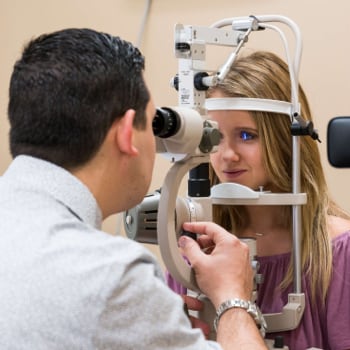
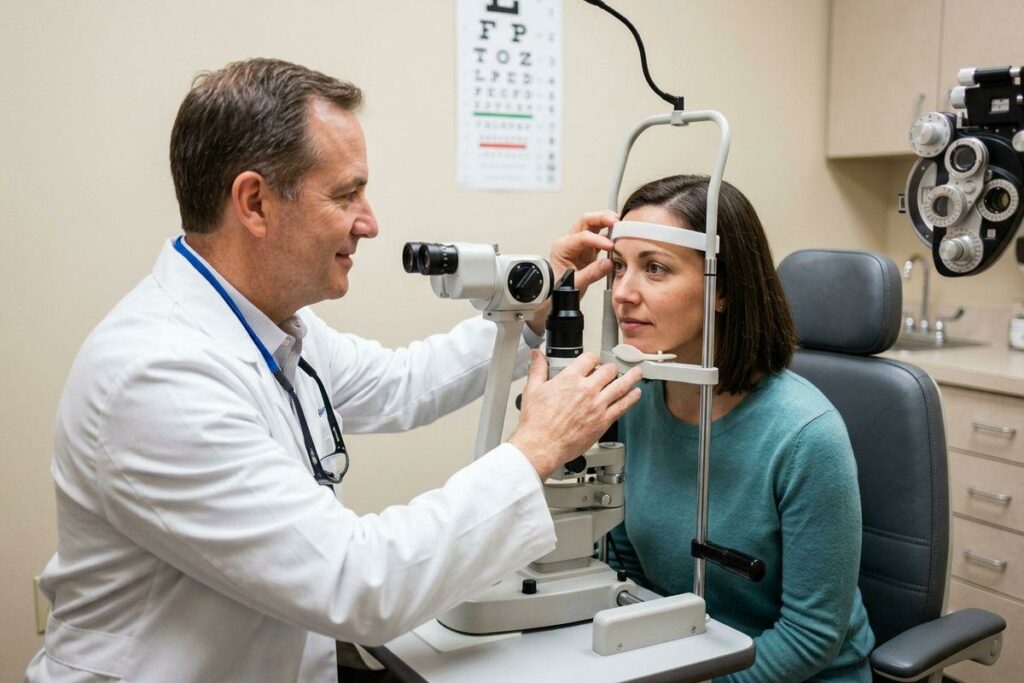
Managing stubborn eye irritation doesn’t have to be a daily struggle. As your eye doctor in North Austin, Pflugerville, Georgetown and Liberty Hill, Great Hills Eye Care offers a welcoming environment to support your vision. Reach out today to schedule your visit and help find comfort for your eyes.