
Key Takeaways
- An ocular migraine can mean a migraine aura or a retinal migraine.
- A migraine aura affects both eyes and usually passes within 60 minutes.
- A retinal migraine is rare and affects only one eye.
- Stress, skipped meals, and changes in sleep may play a role.
- Vision loss in one eye needs quick attention from an eye doctor.
You’re reading a recipe on your phone when a small, shimmering spot appears in the middle of the screen. Within minutes, it grows, and the words around it start to blur. Moments like this can feel scary, and our team at Great Hills Eye Care hears about them from families across North Austin, Georgetown, and Pflugerville.
Those blind spots often point to an ocular migraine, a short episode of vision changes that usually fades on its own within an hour. Still, a comprehensive eye exam can help you learn what’s going on and give you peace of mind.
What Is an Ocular Migraine?
Ocular migraine is a term people use for headaches with vision changes. It can refer to two different conditions, and each one looks a little different.
Migraine Aura
A migraine aura affects vision in both eyes. You might see the same shimmering shape whether you close your left eye or your right. It’s usually not serious and passes quickly.
Some people get a headache with their aura. Others notice only the visual changes and feel fine otherwise.
Retinal Migraine
A retinal migraine is a rare condition affecting only one eye. You may have repeated short bouts of dim vision or even blindness in that eye. These episodes may come before a headache or arrive along with one.
Signs and Symptoms of an Ocular Migraine
Watch for these common signs of an ocular migraine:
- A shimmering blind spot starts small and then grows.
- Flashes of light, zigzag lines, or stars appear in your vision.
- The changes usually fade within 60 minutes.
How Ocular Migraines Differ from Regular Migraines
With an ocular migraine, your head may have little or no pain. Regular migraines often bring nausea and sensitivity to light, so you might want to lie down in a dark room.
Reading a menu, texting a friend, or driving home can feel hard. That feeling usually lifts once the spots clear.
What Leads to Ocular Migraines?
The exact reason ocular migraines happen is still under study. They’re thought to share the same roots as migraine headaches.
Factors That May Play a Role
Everyday moments seem to set off an episode for some people, including the ones below:
- Stress and hormonal changes can play a role.
- Bright lights, red wine, and weather changes may set off an episode.
- Skipped meals and too much or too little sleep can add up.
Who Gets Ocular Migraines?
Ocular migraines often show up between ages 30 and 39.
Family history matters too. If your parents or siblings have migraines, your chances may be higher.

What to Do When an Ocular Migraine Starts
Steps to Take Right Away
A few simple steps can help keep you safe when blind spots appear:
- Pause any task needing clear vision, like reading or using tools.
- If you’re driving, pull over somewhere safe and wait.
- Rest until your vision returns to normal.
Ways to Lower Your Risk
Small changes to your routine can help reduce how often episodes show up:
- Keep a headache journal to spot what may set off an episode.
- Eat regular meals and keep a steady sleep schedule.
- Try yoga or massage to ease stress.
A journal can be as simple as a note on your phone. Jot down what you ate, how you slept, and what was going on before each episode. Over time, patterns can start to stand out.
When to See an Eye Doctor
Reach out to an eye doctor if you notice any of these changes:
- You lose vision in one eye.
- Vision symptoms appear that feel new to you.
- Your usual symptoms change or worsen.
Vision loss in one eye needs quick attention, since it can point to other conditions. Great Hills Eye Care offers same or next-day appointments, so you can get answers without a long wait.
How Eye Exams Help Your Whole Family
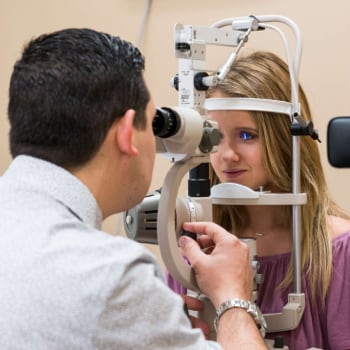
An eye exam can help rule out other reasons for your symptoms, and your eye doctor can also talk with you about migraine treatment options and next steps.
Preventive checkups matter for everyone in your home. Kids, adults, and adults 65+ can all benefit from regular exams to help catch changes early and protect their vision.
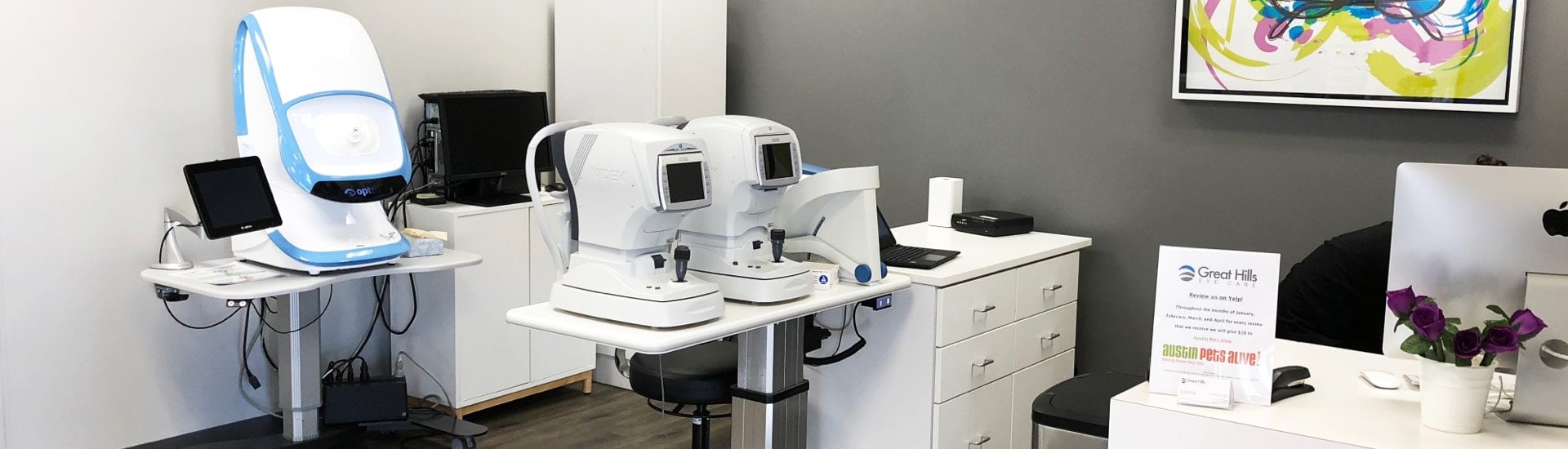
Great Hills Eye Care is part of the Costco warehouse building and has its own separate entrance, so you can fit an appointment into your regular errands.
If blind spots or other vision changes have you concerned, book a visit with our friendly team at Great Hills Eye Care today.