Key Takeaways
- An optometrist is an eye doctor who can examine your eyes, prescribe glasses, contacts, and eye medications, and treat conditions like dry eye disease, glaucoma, and more.
- An ophthalmologist is a medical eye doctor and surgeon who treats eye diseases and performs surgeries like cataract surgery.
- An optician fits and adjusts glasses and contact lenses using the prescription from your eye doctor.
- An optometrist is a good first stop for yearly family eye exams and many everyday eye concerns.
You squint at a road sign on the drive home. Maybe your child mentions the words on the board look fuzzy. When you’re ready to book a visit, the different eye care titles can feel confusing, and our team at Great Hills Eye Care is happy to help you sort them out.
An optometrist is an eye doctor who provides eye exams, prescriptions, and treatment for many eye conditions, while an ophthalmologist is a medical doctor and surgeon who treats eye diseases and performs eye surgery. An optician fits your glasses and contacts. If it’s been a while since your last checkup, a comprehensive eye exam at Great Hills Eye Care is an easy place to start.
What Is an Optometrist?
Education and Credentials
After college, an optometrist spends 4 years in optometry school and earns a Doctor of Optometry degree. Some add a residency year to focus on a specific area of care.
Care an Optometrist Provides
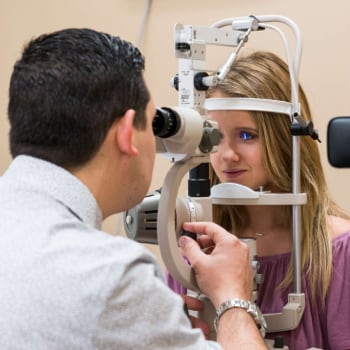
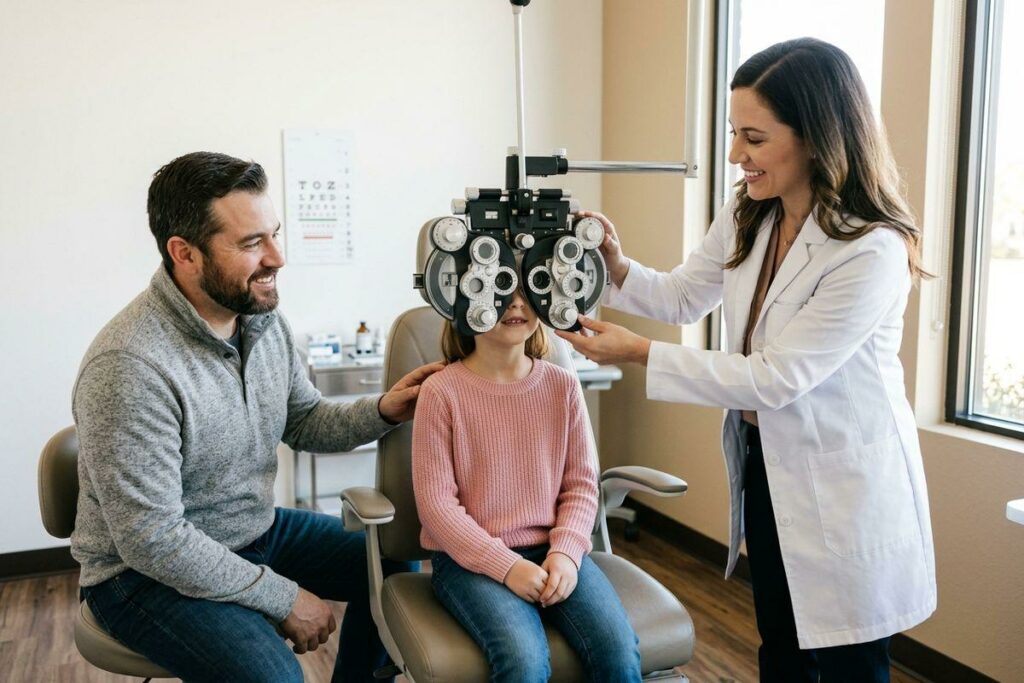
Think of your optometrist as your go-to eye doctor for everyday needs. During a visit, an optometrist can provide the following care:
- Comprehensive eye exams and vision tests.
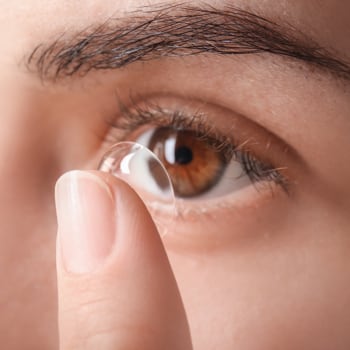
- Contact lens evaluations, fittings, and prescriptions.
- Treatment for dry eye disease, glaucoma, eye infections, and more.
What Is an Ophthalmologist?
Education and Credentials
An ophthalmologist is a medical doctor with a doctor of medicine or doctor of osteopathic medicine degree. Getting there takes 12 to 14 years of school after high school. Some ophthalmologists add fellowship training in specific areas of the eye.
Care an Ophthalmologist Provides
An ophthalmologist provides medical and surgical care for eye diseases. That includes surgeries like cataract surgery or laser eye surgery. Ophthalmologists can also prescribe glasses and contact lenses, so their work overlaps with some of the care your optometrist offers.
What Does an Optician Do?
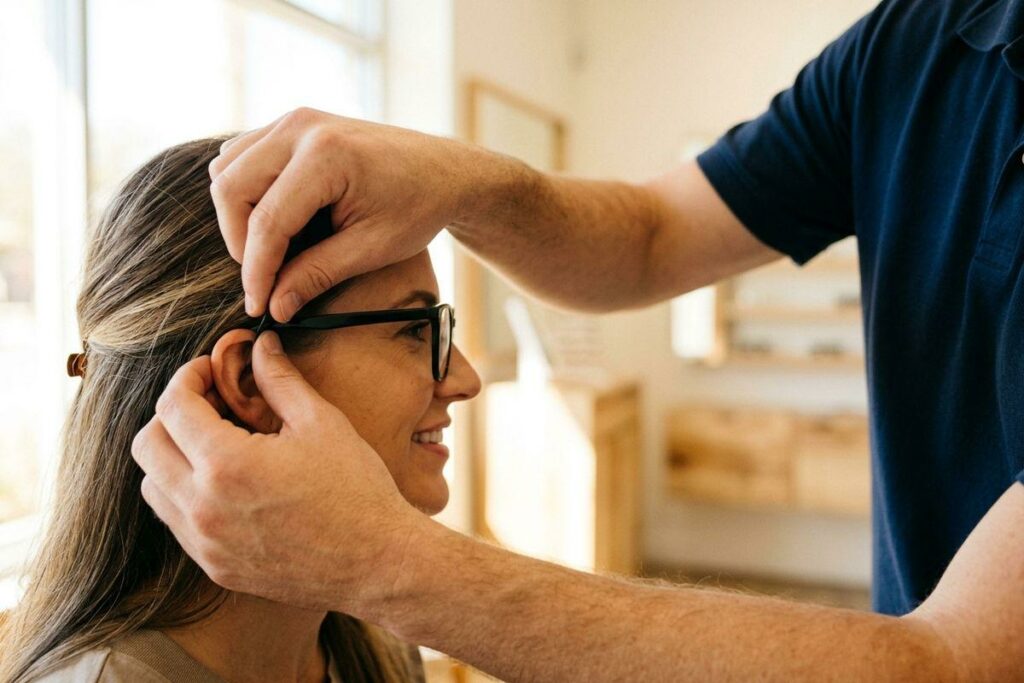
Once you leave your eye exam with a prescription, an optician helps turn it into glasses you can wear every day. An optician fits and adjusts glasses and contact lenses so they feel comfortable.
If your frames slide down your nose or pinch behind your ears, an optician can adjust them.
Opticians work closely with your optometrist to make recommendations for your eyewear based on your life and visual needs.
Which Eye Care Professional Should You See?
When to Start with an Optometrist
For many everyday eye needs, an optometrist is a natural first stop. You can start with an optometrist for these visits:
- Yearly eye exams for everyone in your family.
- Contact lens evaluations, including finding the right lenses for your vision, lifestyle, and comfort.
- Eye infections like pink eye.
- Ongoing care for dry eye disease and glaucoma.
When You May Need an Ophthalmologist
Some eye conditions may need surgery. In those cases, your optometrist can refer you to an ophthalmologist for more complex medical care. Some people with eye disease also choose ongoing visits with an ophthalmologist. Your optometrist can help you find the path that fits your visual needs.
Preventive Eye Care
A regular eye exam can do more than update your prescription. Eye exams can reveal signs of other health concerns, which gives you useful information about your overall health.
Great Hills Eye Care provides care for the whole family. Families from North Austin, Georgetown, Liberty Hill, and Pflugerville are all welcome.
Whether you need a routine checkup, a new pair of glasses, or help with scratchy, irritated eyes, Great Hills Eye Care in North Austin, Georgetown, Liberty Hill, or Pflugerville can help you take the next step. Same-day or next-day appointments are available, so you can book your visit and get your questions answered soon.