
Key Takeaways
- Glaucoma is an eye condition that harms your optic nerve and is often linked to high eye pressure.
- Open-angle glaucoma often shows no early signs, while angle-closure glaucoma can come on suddenly.
- Age, family history, and health conditions like diabetes can raise your risk.
- Regular eye exams can help catch glaucoma early and slow vision loss.
You probably think about your eyes when something feels off, like a scratchy feeling or a blurry menu. Glaucoma doesn’t always send that kind of signal, so our team at Great Hills Eye Care wants you to know how it can start.
Glaucoma happens when your optic nerve gets damaged, often because fluid has trouble draining from your eye and pressure builds up. A comprehensive eye exam at Great Hills Eye Care can help your eye doctor spot these changes before you notice them.
What Is Glaucoma?
Glaucoma is an eye condition that harms your optic nerve, and it’s often linked to high pressure inside your eye.
Over time, glaucoma can lead to vision loss. It can move so slowly that you may not notice anything at first.
How Does Glaucoma Develop?
What Is Eye Pressure?
Fluid flows through the inside of your eye. Picture a sink with the tap running. When the drain works well, the water level stays steady.
When drainage slows, pressure can build up inside your eye. Higher pressure can damage your optic nerve.
Main Types of Glaucoma
Glaucoma comes in 3 main types:
- Open-angle glaucoma keeps the drainage angle open, and changes come on slowly.
- Angle-closure, or narrow-angle, glaucoma happens when the iris blocks drainage, and a sudden attack is an emergency.
- Normal-tension glaucoma harms the optic nerve even when eye pressure is normal.
Other Types to Know
Childhood glaucoma may be present at birth or show up in the first few years of life. Pigmentary glaucoma happens when pigment from your iris slows fluid drainage.
Family genes may also play a part.
Who Has a Higher Risk of Glaucoma?
Health and Family Factors
You may have a higher risk if any of these apply to you:
- You’re over age 60.
- A parent, sibling, or other relative has glaucoma.
- You have diabetes, heart disease, or high blood pressure.
Eye-Related Factors
Some risk factors involve your eyes themselves. A thinner center of your cornea, the clear front layer of your eye, can raise your risk. Being very nearsighted or farsighted can too.
Past eye injuries, some eye surgeries, and steroid medicines can also add to your risk.
How Does Glaucoma Affect Your Vision?
Signs of Open-Angle Glaucoma
Open-angle glaucoma often goes unnoticed in early stages. You might read, drive, and scroll your phone without a hint of trouble.
As it moves forward, you may notice these changes:
- Patchy blind spots appear in your side or central vision.
- In later stages, you see as if looking through a paper towel tube.
Signs of Angle-Closure Glaucoma
A sudden angle-closure attack is an emergency, so watch for these signs:
- You have a severe headache, eye pain, or eye redness.
- You feel sick to your stomach or vomit.
- Your vision turns blurry, or you see halos around lights.
If these signs appear, seek emergency eye care.
Can Glaucoma Go Away?
Vision lost to glaucoma doesn’t come back. However, treatment focuses on lowering your eye pressure, and early care can help slow vision loss.
How We Can Help Protect Your Sight
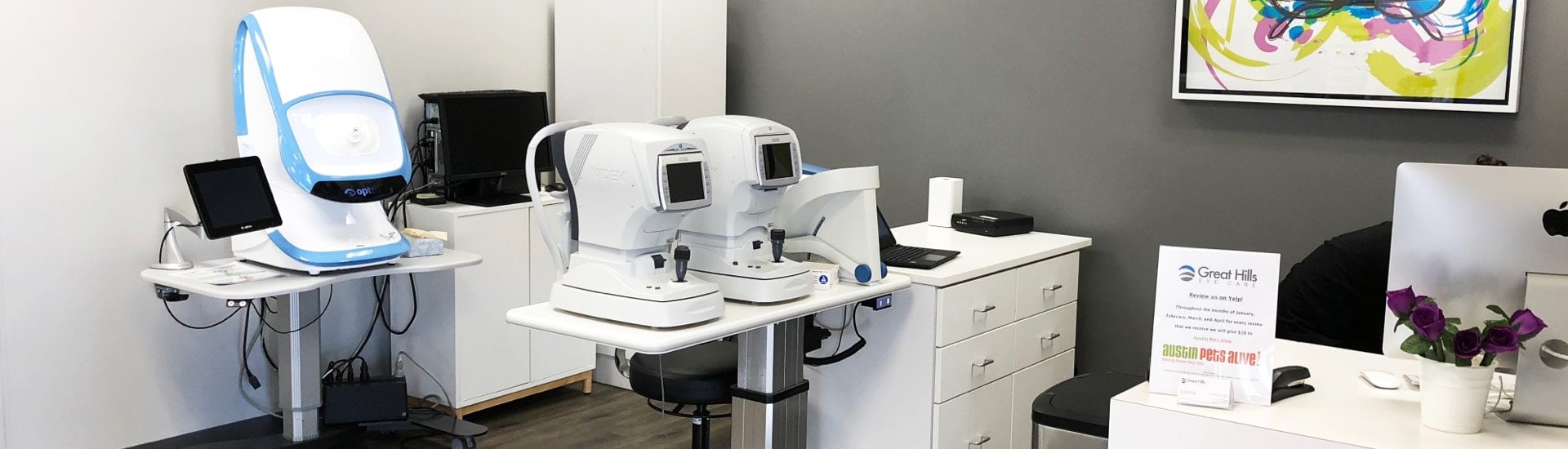
What to Expect at Your Eye Exam
Your visit with an eye doctor in North Austin, Pflugerville, Georgetown and Liberty Hill can include these glaucoma checks:
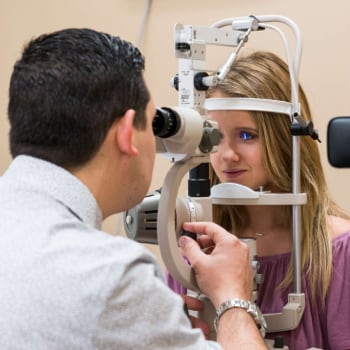
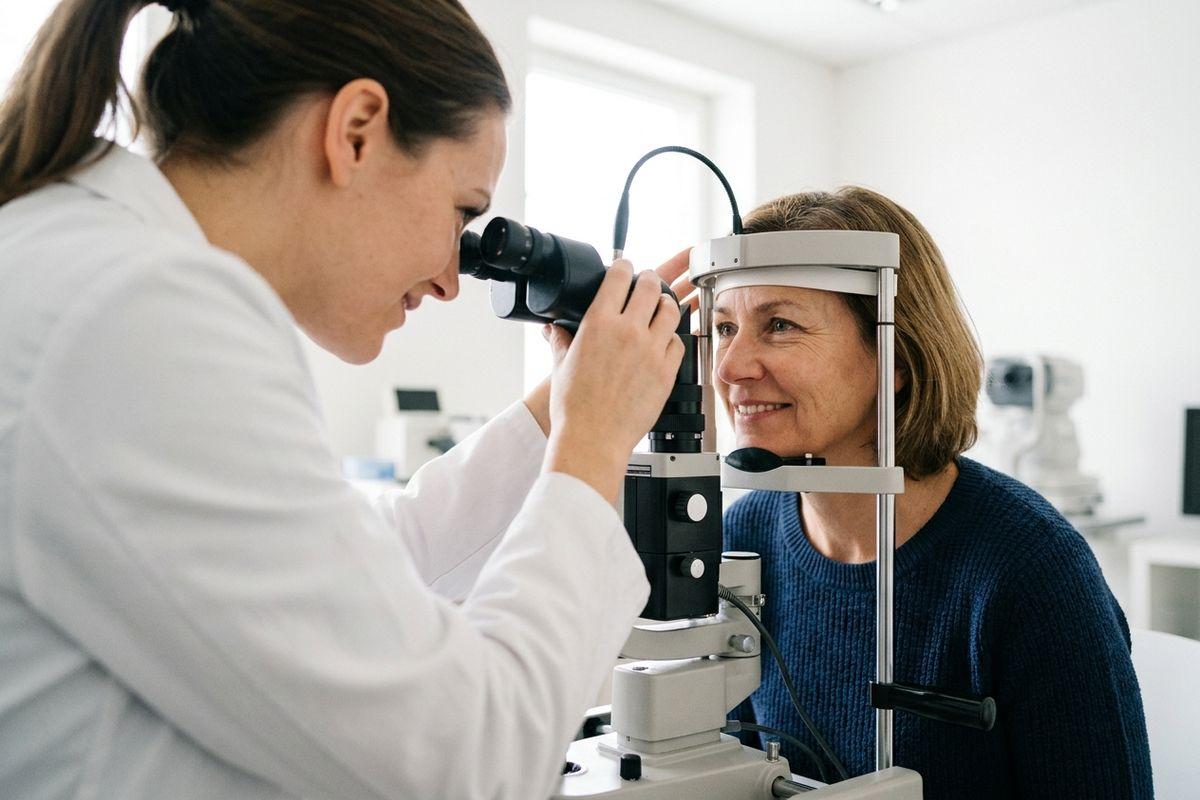
- Your eye doctor checks your eye pressure and examines your optic nerve.
- A side vision test looks for changes at the edges of what you see.
- A cornea thickness check measures the center of your cornea.
- Your eye doctor takes a close look at your eye’s drainage angle.
Treatment Options and Daily Habits
If your eye doctor finds glaucoma, your care plan can include prescription eye drops or oral medication. Laser therapy or surgery may also be options, based on your needs.
Your daily habits can support your care. A healthy diet, safe exercise, and less caffeine can all fit into your routine.
Eye Care for Families
Whether you live in Georgetown, North Austin, Liberty Hill or Pflugerville, a few simple habits can help protect your family’s vision:
- Book regular eye exams for kids, adults, and adults 65+.
- Share your family history with our team at each visit.
- Take any prescribed medicine as directed.
Book Your Glaucoma Eye Exam
Glaucoma can develop quietly, but regular eye exams give you a chance to catch changes early. Great Hills Eye Care is connected to Costco and sits inside the warehouse building with its own separate entrance, so an eye exam can fit right into your shopping trip.
With same-day or next-day appointments, our team can see you soon. Book your eye exam with Great Hills Eye Care today and give your eyes the care they deserve.