Key Takeaways
- Diabetes can change how the tiny blood vessels function in your eyes.
- Most health insurance plans help cover medical eye checks for patients with diabetes.
- Eye doctors can look for early signs of fluid buildup or blurry vision, often before permanent damage occurs.
- You can easily schedule an appointment to help protect your sight.
Living with diabetes means keeping track of many moving parts, from daily blood sugar numbers to lifestyle habits. Over time, high blood sugar can stress the tiny blood vessels throughout your body—including those in your eyes. If you have noticed blurry spots while reading a book or looking at your phone, this could be why.
Because protecting your vision is so important, many health insurance plans cover a diabetic eye exam. In fact, major medical plans consider it a necessary health service.
At Great Hills Eye Care, our team knows that figuring out insurance can feel confusing. You just want a clear answer about your out-of-pocket costs before you step into the clinic. Fortunately, your medical policy usually treats a diabetic eye exam differently than a standard comprehensive eye exam, making it easier to get the coverage you need.
The Link Between Diabetes and Your Vision
Diabetes changes how your body processes sugar every single day. Over time, high blood sugar levels place extra stress on the delicate structures inside your eyes. Because these changes happen slowly, your sight might seem completely normal during the early stages of the condition.
As diabetes progresses, blood vessels can swell or leak fluid into the back of the eye. This fluid buildup makes it hard to focus on a television screen or read a menu at a restaurant. By scheduling regular checkups, your eye doctor can closely monitor your eye health. This continuous tracking helps our team catch small changes before they turn into more serious diabetic eye conditions.
What Happens at a Diabetic Eye Exam?
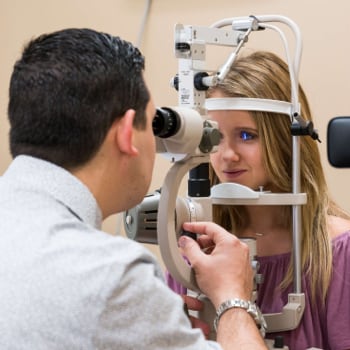
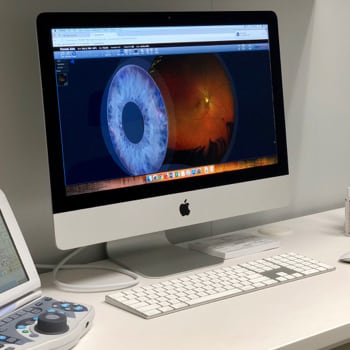
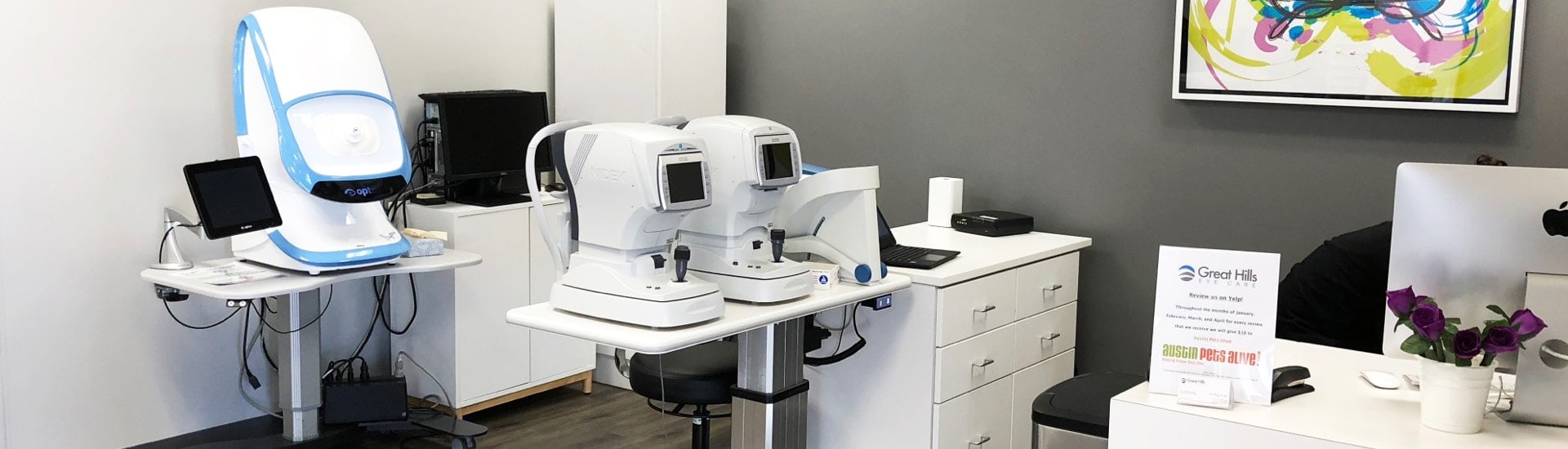
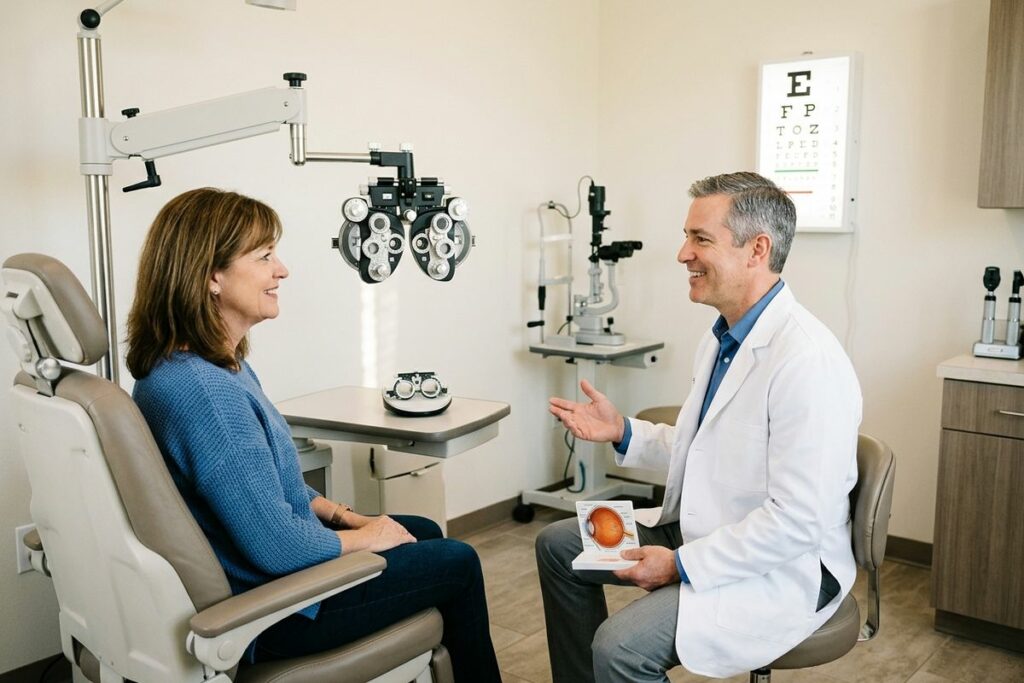
During a diabetic eye exam, your eye doctor looks closely at the internal structures of your eyes. Our team requires Optos retinal imaging for all diabetic patients to get a detailed view of your blood vessels and nerves, and in some cases, special dilating eye drops may be used to widen the pupil.
Our tailored approach helps you stay comfortable throughout the entire process. This proactive care helps us spot the early signs of damage before your vision actually changes.
Signs of Diabetic Eye Conditions
During your visit, your eye doctor can check for specific signs of diabetic eye changes, including:
- Fluid buildup in the back of your eye
- Tissue swelling around your optic nerve
- Cloudy lenses (cataracts) that blur your vision
- Distorted vision when looking at straight lines
- Pressure changes inside your eye
Who Needs to See an Eye Doctor?
Everyone living with diabetes needs at least one comprehensive eye exam every year. Even if you feel completely fine, see clearly without glasses, and keep your blood sugar numbers under control, regular vision checks are still essential. Well-managed cases require the exact same level of preventive care as newly diagnosed cases.
Your yearly visit gives the eye doctor a baseline to compare against future exams, allowing our team to protect your sight over the long term. If your eye doctor notices any early changes in your blood vessels, they may recommend visiting a bit more often.
Insurance Plans and Coverage Options
The good news is that health plans typically provide financial assistance for diabetic eye care. Because doctors classify this exam as a medical health service rather than a simple vision test, your standard health insurance will usually cover it.
To prevent any surprises, it is always a good idea to check the specific details of your policy directly with your provider. Our front desk staff can also help you navigate your benefits so you know exactly what to expect. Clear pricing information helps you make the best decisions for your health.
Private Health vs. Vision Policies
Many private health policies include preventive vision care for chronic conditions like diabetes. When you use this medical coverage, standard costs like co-pays or deductibles will usually apply.
If you also have a separate vision policy for glasses or contact lenses, our clinic staff can help coordinate both of your plans. This teamwork helps maximize your insurance benefits while keeping your out-of-pocket costs as low as possible.
Medicare Benefits and Veteran Programs
If you are on Medicare, Medicare Part B typically covers one annual diabetic eye exam for people with the condition. Our eye doctors will apply the correct medical coding to your visit for a smooth approval process.
Veterans can also access benefits for diabetic vision checks through various veteran health programs. Our knowledgeable clinic team can guide you through the paperwork so you can get the care you deserve without the headache of confusing insurance rules.
Clear Vision and Accessible Care
Early detection is one of the best ways to protect your long-term sight and keep your eyes healthy. If you are looking for an eye doctor in Texas, Great Hills Eye Care serves families, children, adults, and seniors.
Our caring team offers convenient online scheduling and strives to provide same-day or next-day appointments whenever our schedule allows. Plus, we have 4 convenient locations, including Georgetown, Pflugerville, North Austin, and Liberty Hill. We are ready to help you understand your insurance coverage and protect your vision for the future! Contact our team today to schedule your appointment.