Key Takeaways
- Meibomian gland dysfunction (MGD) happens when the tiny oil glands that line your eyelids get blocked, and your tears dry out too fast.
- Watch for burning, scratchy, watery eyes, blurry vision, and styes that keep coming back.
- Age, contact lens wear, screen time, and dry indoor air can affect these glands.
- Meibography gives your eye doctor clear images of your oil glands so care can be tailored to you.
- Warm compresses, lid cleaning, omega-3 foods, and in-office therapies can help manage symptoms.
Your eyes burn and water by the end of the day, and drops only seem to help for a few minutes. The reason often sits in the small oil glands along your eyelids. When those glands get blocked, your tears dry out fast and your eyes feel raw.
Meibomian gland dysfunction (MGD) happens when the oil glands that line your eyelids get clogged and can no longer keep your tears from drying out too quickly. Our team at Great Hills Eye Care can check these glands and walk you through dry eye therapy options that fit your day.
How MGD Affects Your Eyes
Your eyelids are lined with rows of tiny oil glands called meibomian glands. Every time you blink, they release a thin layer of oil across your eyes.
That oil keeps your tears from drying out too quickly. It acts like a lid on a cup of water, slowing down how fast the moisture disappears.
When those glands get blocked, the oil can’t reach your tears. Your eyes dry out, feel scratchy, and start to bother you throughout the day. That’s what eye doctors call meibomian gland dysfunction, or MGD.
Signs and Symptoms to Watch For
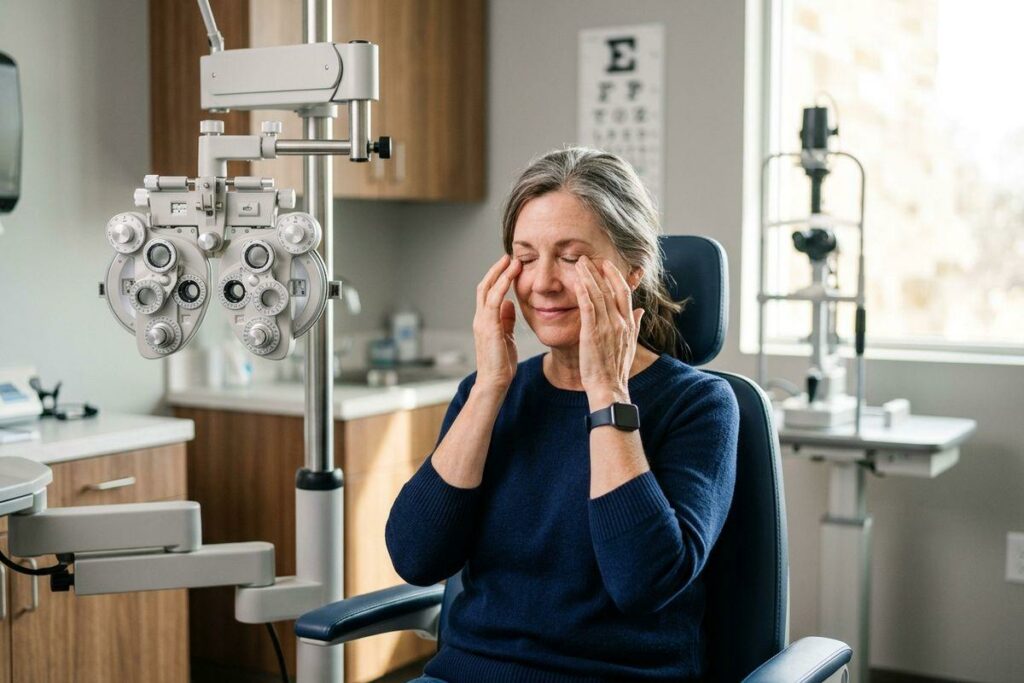
MGD can feel like everyday eye tiredness at first, so it’s easy to shrug off. Over time, though, the discomfort tends to stick around and show up more often.
Here are common signs to watch for.
- Scratchy, burning, or red eyes
- Watery eyes or a gritty, sandy feeling
- Blurry vision that clears when you blink
- Crusty or flaky eyelids in the morning
When Symptoms Point to MGD
Some clues point more directly to blocked glands. If you keep getting styes that come back after they heal, your glands may be the reason.
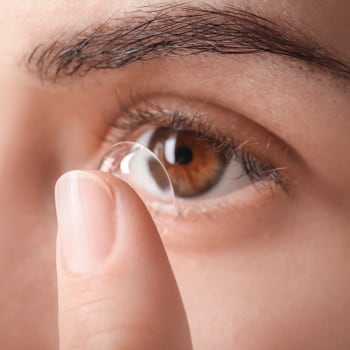
Trouble wearing contact lenses is another sign. When your eyes feel dry and irritated within a few hours of putting lenses in, MGD could be playing a part.
What May Contribute to Blocked Meibomian Glands
Your glands can slow down for reasons you can’t always see. Age and hormone changes are two of the most common, which is why many adults notice symptoms as they get older.
Wearing contact lenses for years can also affect how well the glands work. So can certain medications and long stretches of screen time, since you blink less when you stare at a phone or monitor.
Risk Factors
Allergies and immune conditions can add stress to your eyelid glands and make symptoms worse.
The air around you matters too. Dry indoor air from heating or air conditioning, paired with long hours on screens, can leave eyes feeling parched. This affects kids doing homework, adults at work, and older adults alike.
How Is MGD Diagnosed?
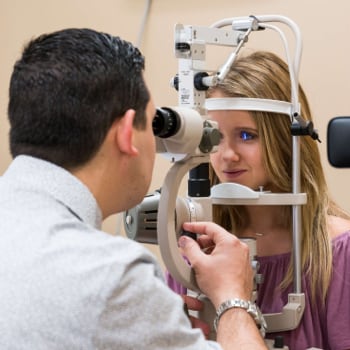
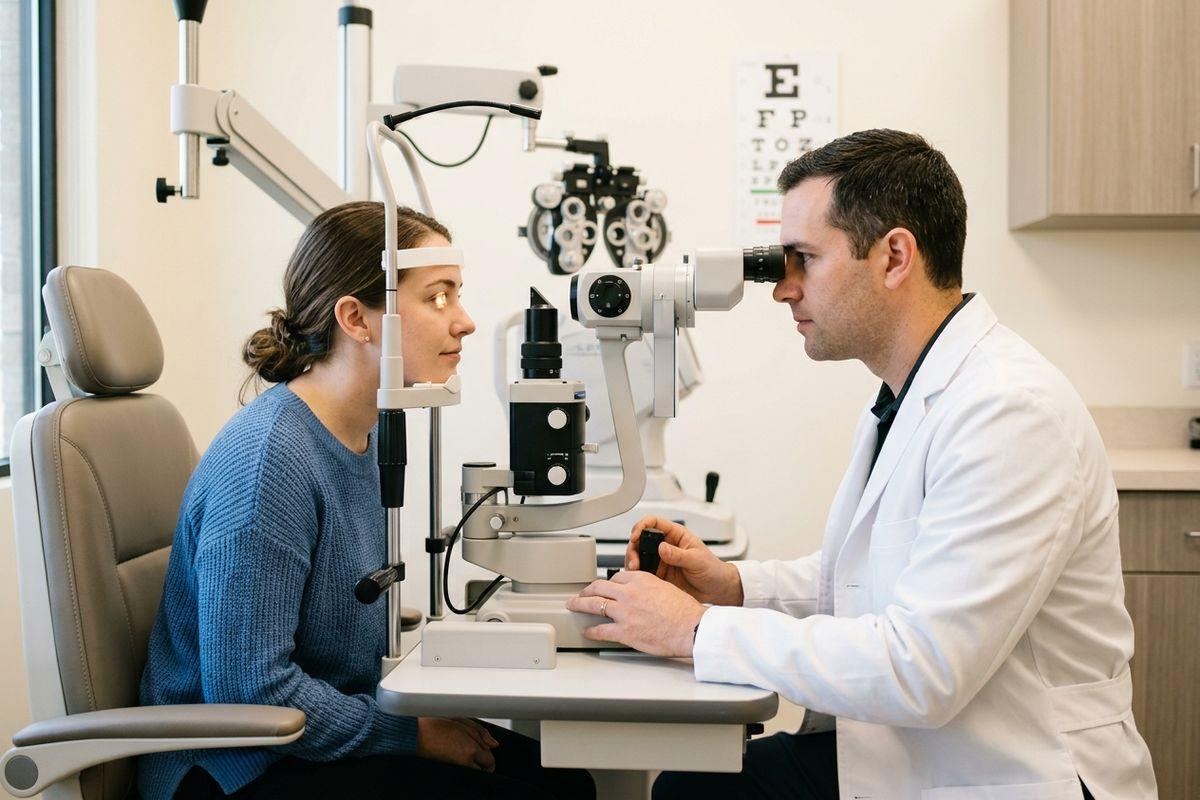
Finding MGD starts with a close look. Your eye doctor examines your eyelids and tear film to see how your glands are working and how quickly your tears break down.
From there, our team can use meibography to view the structure of your oil glands. Because same- or next-day appointments are available, you don’t have to wait days while your eyes bother you.
Why Meibography Matters
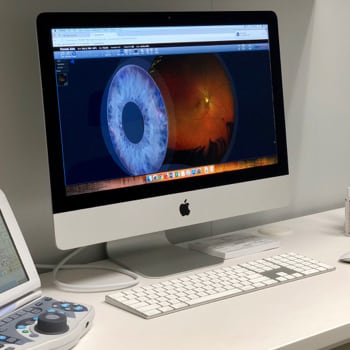
Meibography captures detailed images of the oil glands hidden along your eyelids. Instead of guessing, your eye doctor can see which glands look healthy and which ones look blocked or shortened.
These images also help track gland health over time. When you come back for a follow-up, our team can compare pictures and adjust your care based on what changes.
Dry Eye Therapies and Daily Care Options
Once your eye doctor knows what’s going on, you have several ways to feel more comfortable. Warm compresses can soften the oil so it flows again, and gentle lid cleaning keeps the glands clear.
Food and drops play a role too. Omega-3 rich foods like salmon and walnuts can support your tear film, and lubricating drops can ease dryness during the day. For deeper relief, in-office dry eye treatments can help unblock the glands directly.
Simple Habits That Help at Home
Small changes add up. Try screen breaks every 20 minutes and remind yourself to blink fully when you read or scroll.
Regular visits also keep your eyes on track. Families near Georgetown and Pflugerville can build these check-ins into their routine so problems get caught early.
Find Relief Today
Great Hills Eye Care offers personalized attention and dry eye therapies in a convenient location connected to Costco, with its own separate entrance. Call today to book a same-day or next-day appointment, or use our convenient online scheduling tool to give your eyes the care they deserve.