

Key Takeaways
- Eye strain can show up as tired, dry, or watery eyes, along with headaches or blurry vision.
- Long screen time, poor lighting, and dry air can leave your eyes feeling worn out.
- The 20-20-20 rule gives your eyes a quick break during screen work.
- Small changes to your screen setup and room can help you avoid strain.
- An eye doctor in North Austin can help when symptoms stick around.
You’ve probably felt it after a long day at the computer. Your eyes ache, your vision goes a little fuzzy, and a headache builds behind your forehead. Our team at Great Hills Eye Care helps people ease this kind of digital eye strain every day.
You can relieve eye strain by resting your eyes often, adjusting your screen and lighting, and adding moisture back into your day with blinks, tears, or a cool compress.
What Eye Strain Feels Like
Eye strain tends to creep in when your eyes work hard for hours without a break. It can show up during screen time, reading, or close-up work, and it often builds slowly as the day goes on.
Here are some signs your eyes may be strained:
- Tired, dry, or watery eyes
- Blurred vision or headaches
- Burning or irritation after screen time
Common Reasons Behind Tired Eyes
Screens are a big part of the picture. When you stare at a phone or monitor, you blink far less than usual. Fewer blinks mean less moisture, and your eyes may start to feel dry and scratchy.
Lighting plays a role too. Harsh overhead lights or glare bouncing off your screen can make your eyes fight to focus. Dry air from a fan, heater, or vent can draw moisture away, leaving your eyes feeling gritty by mid-afternoon.
The Truth About Blue Light
Blue light gets a lot of blame, but it’s often not the real reason your eyes feel tired. The bigger issue is how you use your devices. Long hours, few breaks, and reduced blinking do most of the damage, so how you work matters more than the light itself.
Quick Ways to Relieve Eye Strain
Try the 20-20-20 Rule
This one is easy to remember and quick to do:
- Every 20 minutes of screen use or close work, pause what you’re doing.
- Look at something about 20 feet away.
- Hold that gaze for 20 seconds before you get back to work.
The 20-20-20 rule gives your focusing muscles a chance to relax throughout the day.
Simple Relief at Home
A few small habits can settle tired eyes:
- Blink more often and give your eyes short rest breaks.
- Use artificial tears when your eyes feel dry.
- Place a cool compress over closed eyes for a few minutes of comfort.

How to Prevent Eye Strain Daily
Set Up Your Screen
Where your screen sits makes a real difference. Keep your monitor about an arm’s length away and just below eye level, so your eyes relax instead of straining up or down.
Adjust the brightness and contrast until the screen matches the light in your room. Then cut down on glare with blinds, a shade, or a screen filter.
Improve Your Space
Soft, indirect lighting is gentler on your eyes than bright overhead lighting. Try to keep your desk away from a vent or fan that blows air right at your face.
A humidifier can add moisture to dry air, which helps when the room feels stuffy or you run the heat and air conditioning often.
When to See an Eye Doctor in North Austin
Most eye strain fades with rest and a few changes. When it doesn’t, that’s your cue to get checked. Watch for these signs:
- Symptoms that stick around even after you rest.
- Ongoing headaches or changes in your vision.
Same-day or next-day appointments are available when you need to be seen soon.
Come See Us
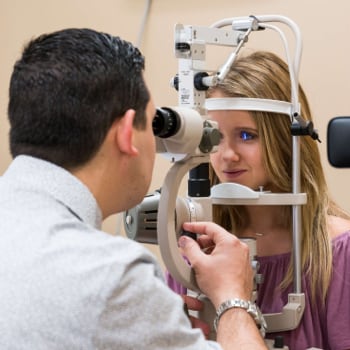
If tired eyes keep slowing you down, our team at Great Hills Eye Care can take a closer look and help you feel comfortable again. Call today to book your visit and give your eyes the attention they deserve.