Key Takeaways
- A retinal tear is a break in the thin tissue at the back of your eye that can affect your vision if left alone.
- The main cause is posterior vitreous detachment, which can happen as the gel inside your eye shrinks with age.
- Sudden flashes, new floaters, or a shadow across your vision call for a fast eye exam.
- Our team uses a dilated eye exam and an Optos retinal scanner to evaluate your retina.
- Regular eye exams and protective eyewear help you lower your risk.
A sudden flash of light or a shadow drifting across your view can catch you off guard. Those changes sometimes point to a retinal tear, and our team at Great Hills Eye Care can help you sort out what’s happening with a comprehensive eye exam.
The most common reason for a retinal tear traces back to normal aging. Most retinal tears happen when the gel inside your eye shrinks with age and tugs on the retina hard enough to create a break, a process called posterior vitreous detachment. Regular exams give your eye doctor a chance to catch these changes early.
What Is a Retinal Tear?
Your retina is a thin layer of tissue lining the back of your eye. It takes in light and sends pictures to your brain so you can read a menu, spot a friend across the room, or watch your kids play soccer. When a small break forms in that tissue, it’s called a retinal tear.
A tear might sound minor, but it can grow if you wait too long. Fluid can slip through the break and lift the retina away from the back of the eye. Left alone, that can lead to vision loss. Quick attention can make a real difference.
Retinal Tear vs. Retinal Detachment
A tear and a detachment are related, but they aren’t the same thing. With a tear, the retina stays partly attached and holds its place. A detachment happens when the retina pulls fully away from the back of the eye, which is more serious and needs faster care.
The Main Cause of Retinal Tears
The most common cause is a normal part of aging called posterior vitreous detachment. A clear gel called the vitreous fills the middle of your eye. Over the years, that gel shrinks and pulls away from the retina.
Most retinal tears happen when the shrinking vitreous gel tugs on the retina hard enough to create a break. For many people this pulling causes no harm. For others, the tug is strong enough to open a small tear.
Other Common Causes
Age isn’t the only thing that plays a role. A few other factors can add stress to your retina and raise your chances of a tear, including:
- Nearsightedness, which stretches the eye and thins the retina.
- An eye injury or past eye surgery.
- Diabetes and a family history of retinal problems.
Warning Signs and Symptoms to Watch For
A retinal tear usually doesn’t hurt, so you’ll want to notice how things look. Changes often show up fast and stand out from your normal vision. Keep an eye out for these signs:
- Sudden flashes of light, like quick sparks at the edge of your vision.
- New floaters or a jump in the number of floaters you see.
- A shadow or curtain drifting across your vision.
Do Retinal Tears Happen Suddenly?
They often do. Symptoms can appear within hours, which is why fast care matters so much. Our team can offer same- or next-day appointments, so you don’t have to sit and wonder while your vision changes.
How Our Team Diagnoses and Treats Retinal Tears
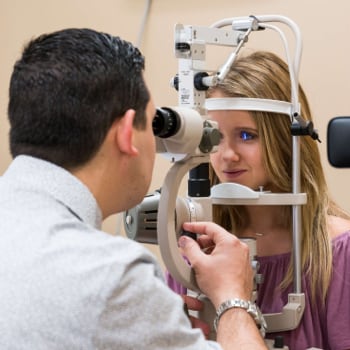
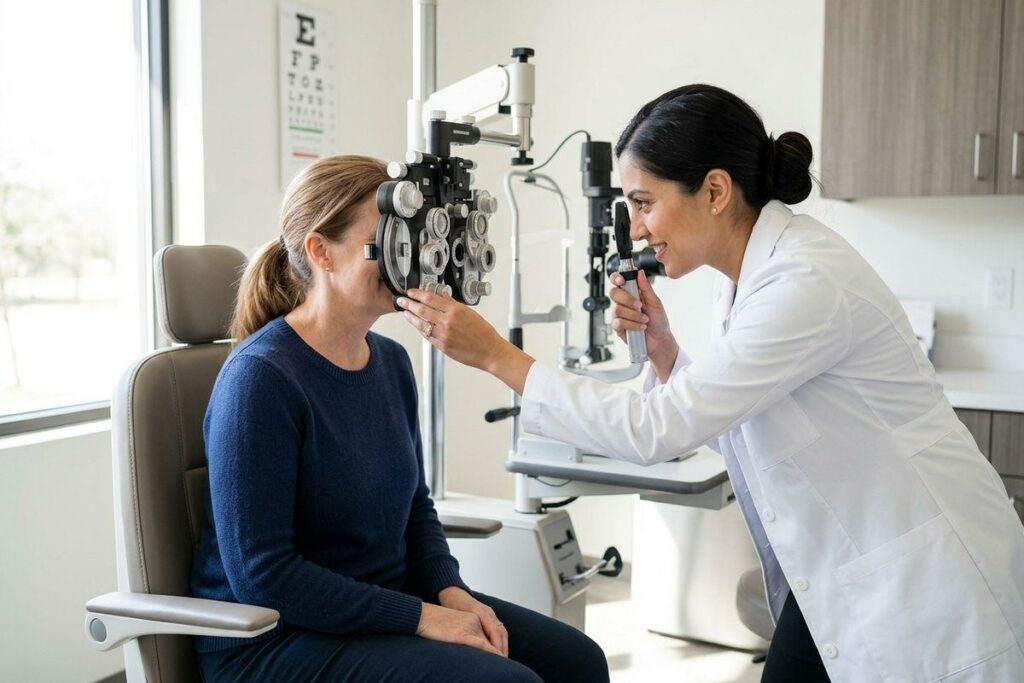
Your eye doctor typically starts with a dilated eye exam. Drops widen your pupils so our team can see the full retina, all the way out to the edges where many tears form. Imaging adds another layer of detail.
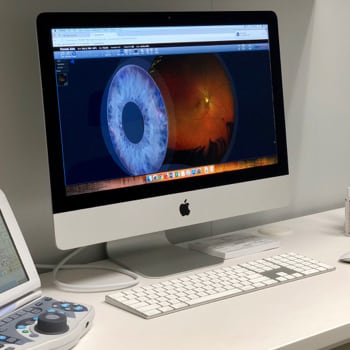
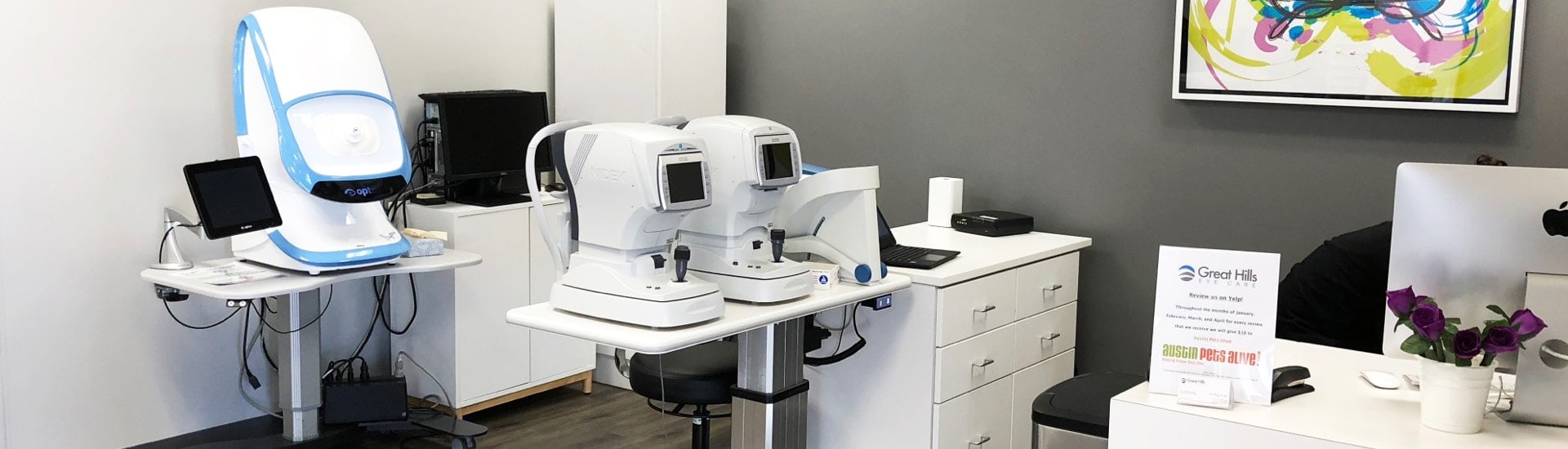
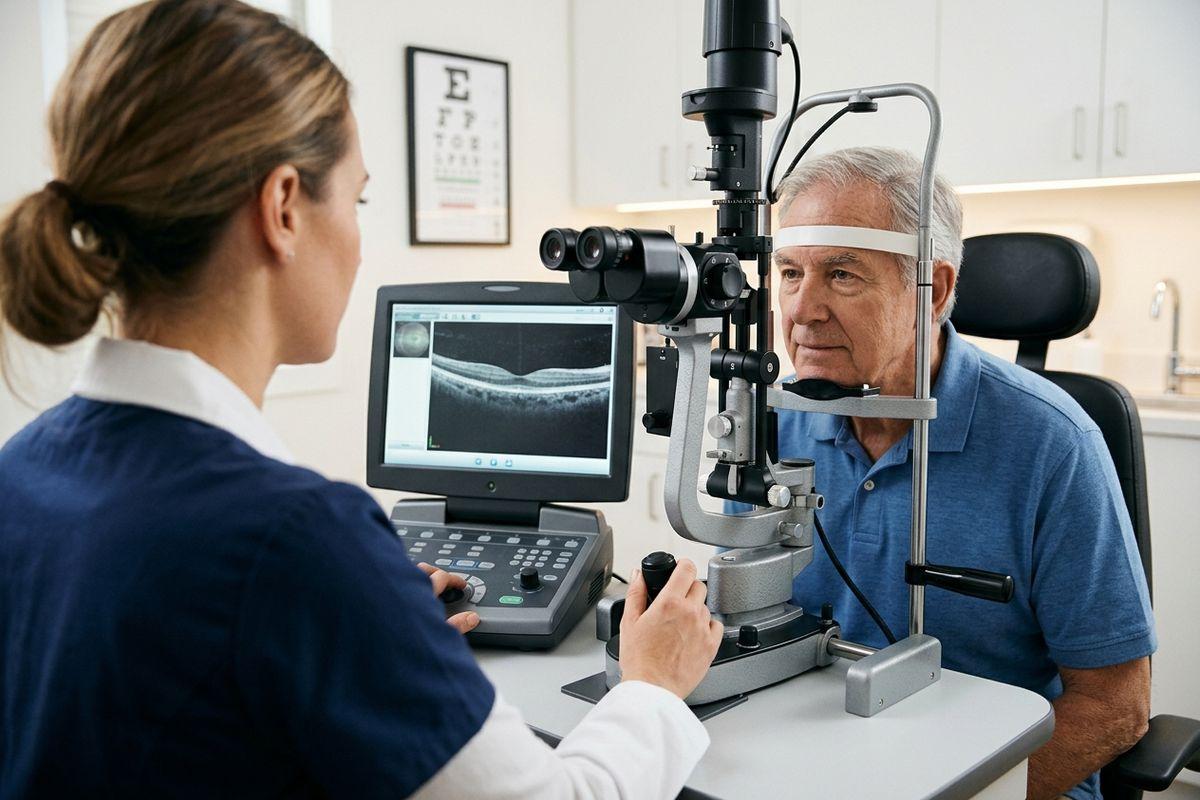
Our Optos retinal scanner captures detailed wide-field images of your retina, helping your eye doctor identify retinal changes and monitor them over time.
Treatment Options
If your exam shows flashes of light accompanied by a decrease in vision, your eye doctor may suspect a more urgent retinal problem and will refer you promptly to one of our retinal specialist colleagues for immediate evaluation and treatment.
If you’re experiencing intermittent flashes without any change in vision or only new floaters, we can often diagnose the cause during a comprehensive dilated eye exam and monitor your retina with follow-up visits when appropriate.
If additional treatment becomes necessary, we’ll coordinate your care with a trusted retinal specialist to help protect your vision.
How to Lower Your Risk and Protect Your Vision
You can’t stop your eyes from aging, but you can stay ahead of problems. Regular exams give your eye doctor a chance to catch small changes before you notice them. A little routine care goes a long way.
In addition to routine exams, wear protective eyewear for sports and yard work, and manage diabetes and other health conditions with your medical care team.
What to Avoid with a Retinal Tear
If your eye doctor finds a tear, slow down for a bit. Skip heavy lifting and strenuous activity that can add pressure inside your eye. Follow the rest guidance your eye doctor gives you so the treated area has time to settle.
Don’t Put Your Vision Off
At Great Hills Eye Care, our team gives you personalized attention and clear answers about your vision, all from a convenient location connected to Costco with a separate entrance. If you notice flashes, floaters, or a shadow in your vision, call today to schedule your same- or next-day appointment or use our convenient online scheduling tool.