
Key Takeaways
- A detached retina lifts away from the back wall of your eye and can blur your vision.
- Sudden new floaters, flashes of light, fading side vision, or a curtain-like shadow are signs to act on right away.
- A retinal detachment typically comes on with no pain, so changes in your vision are your main clues.
- Your risk can be higher with very high nearsightedness (myopia), past cataract surgery, an eye injury, or a family history of retinal detachment.
- Optomap retinal imaging helps our team track changes in your retina over time.
You’re reading a book on the couch when a cluster of dark specks drifts across the page. A quick flicker of light follows at the edge of your view. It’s easy to blink and move on. However, these small changes can signal a problem with your retina, and our team at Great Hills Eye Care wants you to know which signs mean you should call.
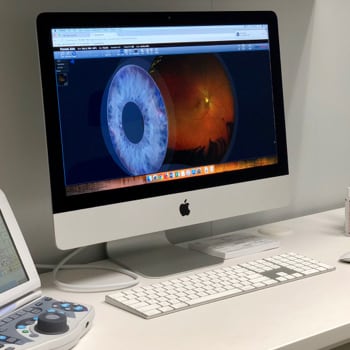
Call your eye doctor right away if you notice sudden new floaters, flashes of light, blurry vision, fading side vision, or a shadow over part of your view. These signs often show up before a retinal detachment, so a prompt visit gives your eye doctor a clear look at what’s happening. During your exam, our team can use Optomap retinal imaging to capture images of your retina.
What Is a Detached Retina?
Your retina is a thin layer lining the back of your eye. A detached retina happens when this layer lifts away from the back wall of your eye.
When the retina lifts away, your vision can turn blurry, like looking through a fogged-up car window.
How a Retinal Tear Happens
As you get older, the clear jelly inside your eye shrinks and thins. Sometimes this jelly sticks to the retina and tears it.
Fluid can then pass through the tear. That fluid lifts the retina away from the back wall of your eye.
5 Signs of a Detached Retina
Retinal detachments tend to send signals early, and knowing them helps you act fast.
Flashes and Floaters
Floaters are the little specks, dots, or cobwebs drifting across your view. A sudden shower of new ones calls for attention.
Watch for these two signs:
- Many new floaters, specks, or cobwebs appear suddenly.
- Flashes of light show up in one or both eyes, like a camera flash at the edge of your view.
Changes in Your Vision
A retinal detachment can also change how clearly and how widely you see. Keep an eye out for these changes:
- Your vision turns blurry.
- Your side vision slowly fades.
- A curtain-like shadow covers part of your view.
A Painless Problem
Retinal detachments typically come with no physical discomfort or pain.
There’s no sting or ache to tip you off, so the visual changes above are your clues. The good news is these warning signs often show up first, which can give you time to call your eye doctor.
Who Has a Higher Risk of Retinal Detachment?
A detached retina can happen to you at any age. It’s more common in Caucasian men over 40, but anyone who notices the signs can benefit from a quick checkup.
Personal and Family History
Your own history and your family’s history can raise your risk. Share these factors with your eye doctor if they apply to you:
- You’ve had a retinal detachment in your other eye.
- A parent, sibling, or other relative has had a retinal detachment.
- You’ve had cataract surgery.

Eye Health Factors
Some conditions inside your eye can also play a role, and your risk can be higher if any of these fit you:
- You have very high nearsightedness (myopia).
- You have another eye condition, like lattice degeneration or uveitis.
- You’ve had an eye injury in the past.
When to Call Your Eye Doctor
Treat sudden flashes, floaters, or a shadow in your vision as an emergency. Quick care helps protect you from lasting vision loss. Call right away instead of waiting to see if things clear up.
If you need an eye doctor, all of our Great Hills Eye Care locations offer same-day or next-day appointments.
Confirming the Diagnosis
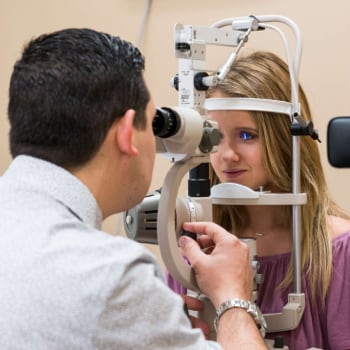
Flashes and floaters can point to a retinal tear. Still, an eye exam is what shows your eye doctor what’s happening inside your eye.
Early checks help protect your sight and give you clear answers, not guesswork.
Optomap Retinal Imaging
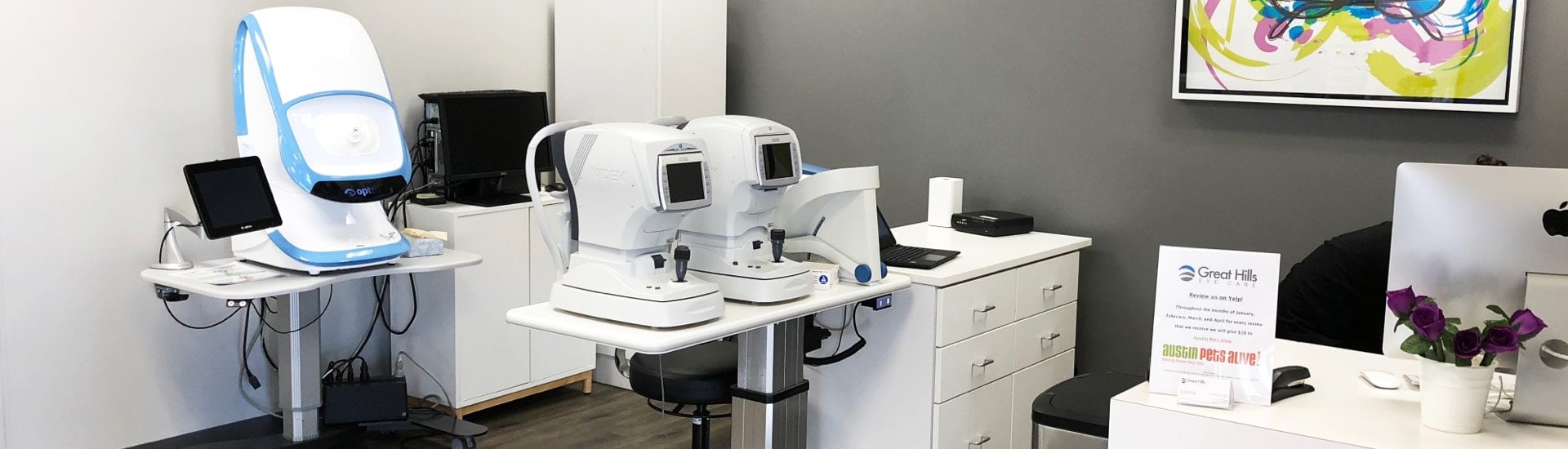
Optomap retinal imaging is available during your eye exam. It captures images of your retina, which you can review with your eye doctor.
These images also help our team track changes in your retina over time. Comparing this year’s images with past ones gives your eye doctor a clear record of what’s new.
Regular Eye Exams for Your Whole Family
Preventive care helps catch retina changes early. Great Hills Eye Care offers eye exams for kids, adults, and adults 65+, so everyone in your household can stay on track with one visit.
Protect Your Vision with Great Hills Eye Care
New flashes, floaters, or shadows in your vision are your cue to act. Great Hills Eye Care offers same- or next-day appointments in North Austin, Georgetown, Liberty Hill, or Pflugerville and Optomap retinal imaging to help you get answers quickly. Call today to book an eye exam for yourself or your whole family, and give your eyes the attention they need.